




Kazuki Tainaka
Deputy Director, Brain Research Institute, Niigata University
Professor, Dept of System Pathology for Neurological Disorders
Interview
Please tell us about your current main research focus.
Building on chemical biology, I am developing technologies to integrate and understand the brain across temporal, spatial, and molecular scales. At the core of this research are tissue clearing and 3D imaging technologies, which enable comprehensive visualization of biological systems. My goal extends beyond simply rendering the brain or even the entire body transparent for 3D observation. Rather, I aim to establish an integrated analytical pipeline that seamlessly combines temporal information from living organisms, spatial information across whole tissues, and molecular information such as gene expression. By bridging these complementary dimensions, I seek to achieve a more comprehensive understanding of brain structure and function across scales.
Recently, I have been focusing on AI-driven approaches to analyze the vast image datasets generated by 3D imaging technologies. By quantifying cellular and tissue patterns that are difficult to detect with the naked eye, I seek to uncover biologically meaningful features. Furthermore, I aim to integrate these image-derived features with post hoc analyses, such as spatially resolved gene expression profiling, to clarify where, when, and what molecular changes have occurred.
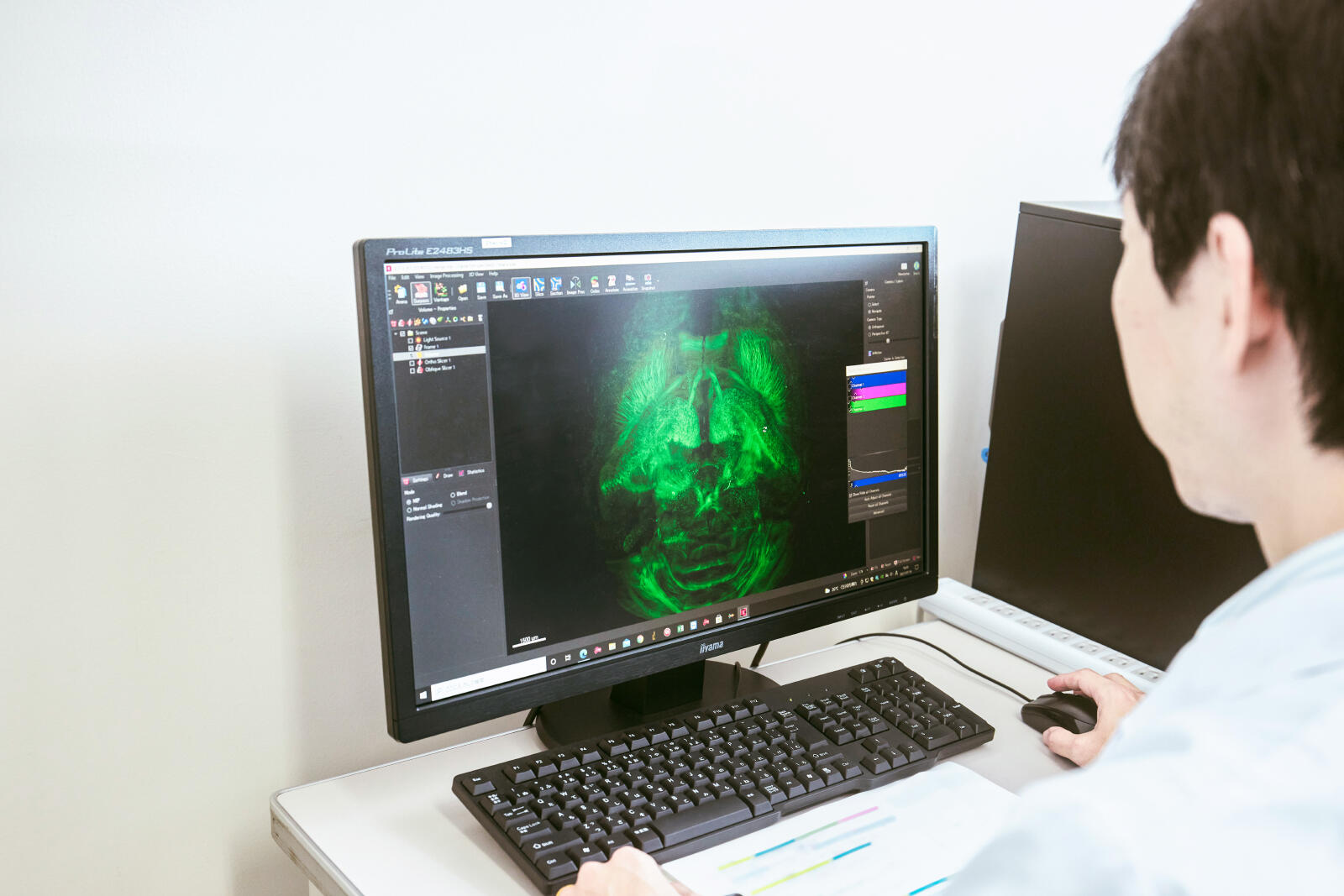
One of the most distinctive achievements of this technology is its ability to visualize pathological changes in the cerebral microvasculature in three dimensions. In our studies of cerebral small-vessel disease, we successfully captured microvascular abnormalities that are difficult to detect using conventional MRI or CT imaging. Furthermore, using SeeThrough, a skull-clearing technique we recently developed, we can perform in vivo two-photon imaging through the intact skull. This approach enables the observation of mechanisms involved in substance transport and clearance within the brain under conditions that are much closer to the physiological state. We anticipate that this technology will provide new insights into brain function and disease mechanisms, leading to novel discoveries.
Another major pillar of our research is translating transcutaneous auricular vagus nerve stimulation (taVNS) into human applications. We are pursuing this work as part of the Moonshot R&D Program in collaboration with Professor Iijima of the Faculty of Engineering and others. Our goal is to objectively characterize the physiological responses elicited by non-invasive transcutaneous stimulation of the auricular branch of the vagus nerve. Looking ahead, we aim to develop practical stimulation and measurement technologies that can contribute to treatment, healthcare, and well-being. A distinctive strength of our research is its interdisciplinary nature, spanning the full spectrum from fundamental technology development to human applications.
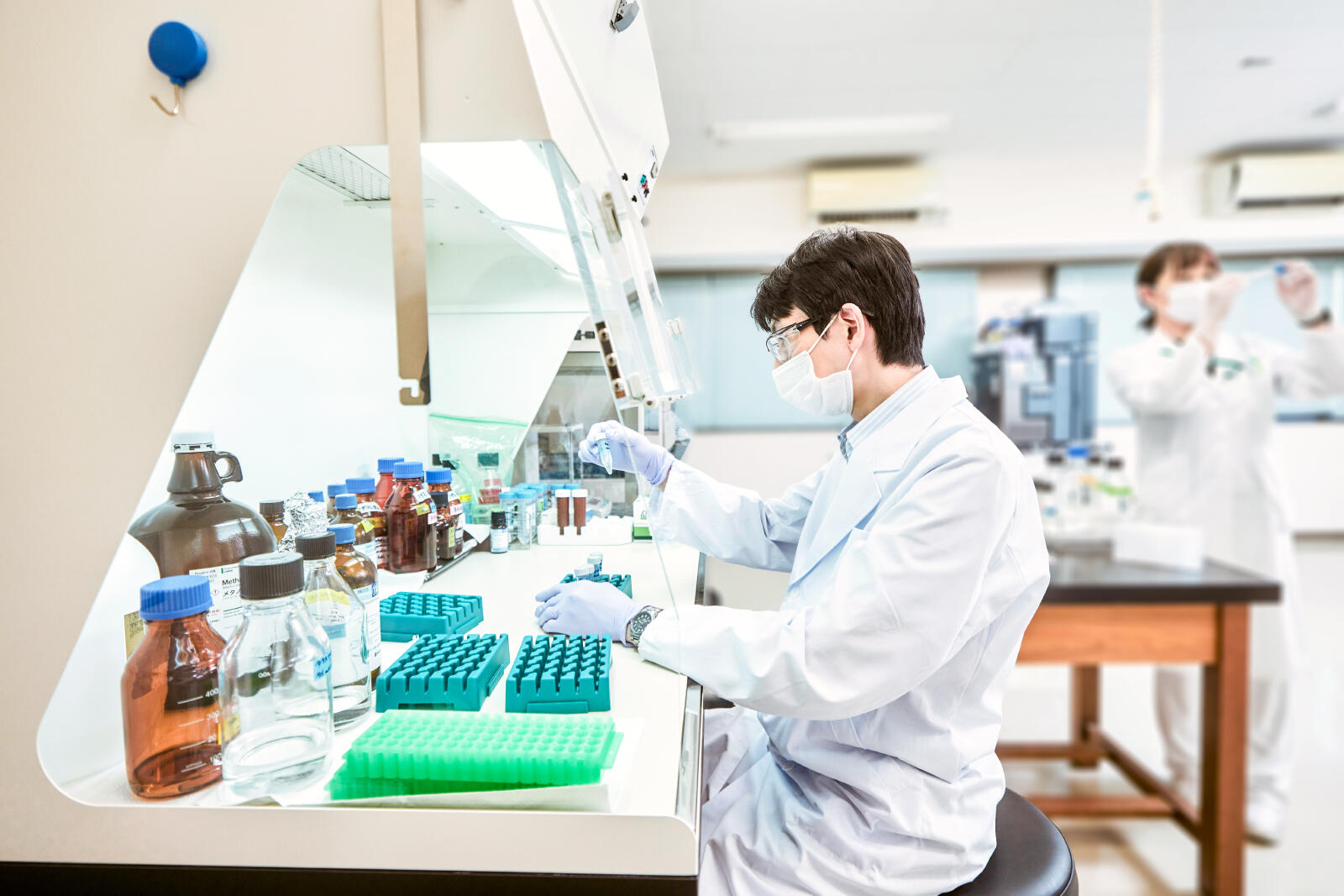
Could you tell us about your career to date and how you came to conduct research at BRI?
During my undergraduate and graduate years, I specialized in organic chemistry, focusing on the chemical synthesis of nucleic acids for the development of fluorescent probes used in genetic diagnostics and related applications. My research at the time centered on relatively static fluorescence phenomena, with an emphasis on molecular design and the fundamental question of how to make molecules emit light.
Later, to explore dynamic luminescence processes, I joined the Majima Lab at SANKEN (the Institute of Scientific and Industrial Research), the University of Osaka, where I investigated excess electron transfer within DNA. I then moved to the Morii Lab at the Institute of Advanced Energy, Kyoto University, where I developed protein-based biosensors for detecting IP4, an important cellular signaling molecule, and expanded my research into the field of chemical biology.
A major turning point in my career came when I joined Dr Hiroki Ueda's lab at the RIKEN Quantitative Biology Center, where I contributed to the development of novel gene synthesis technologies. The lab brought together researchers from a wide range of expertise, including chemistry, biology, medicine, and information science. Exposure to these diverse fields broadened my research perspective significantly, allowing me to move beyond fundamental chemical research and develop new methodologies that support advances in biology and medicine through chemical innovation.
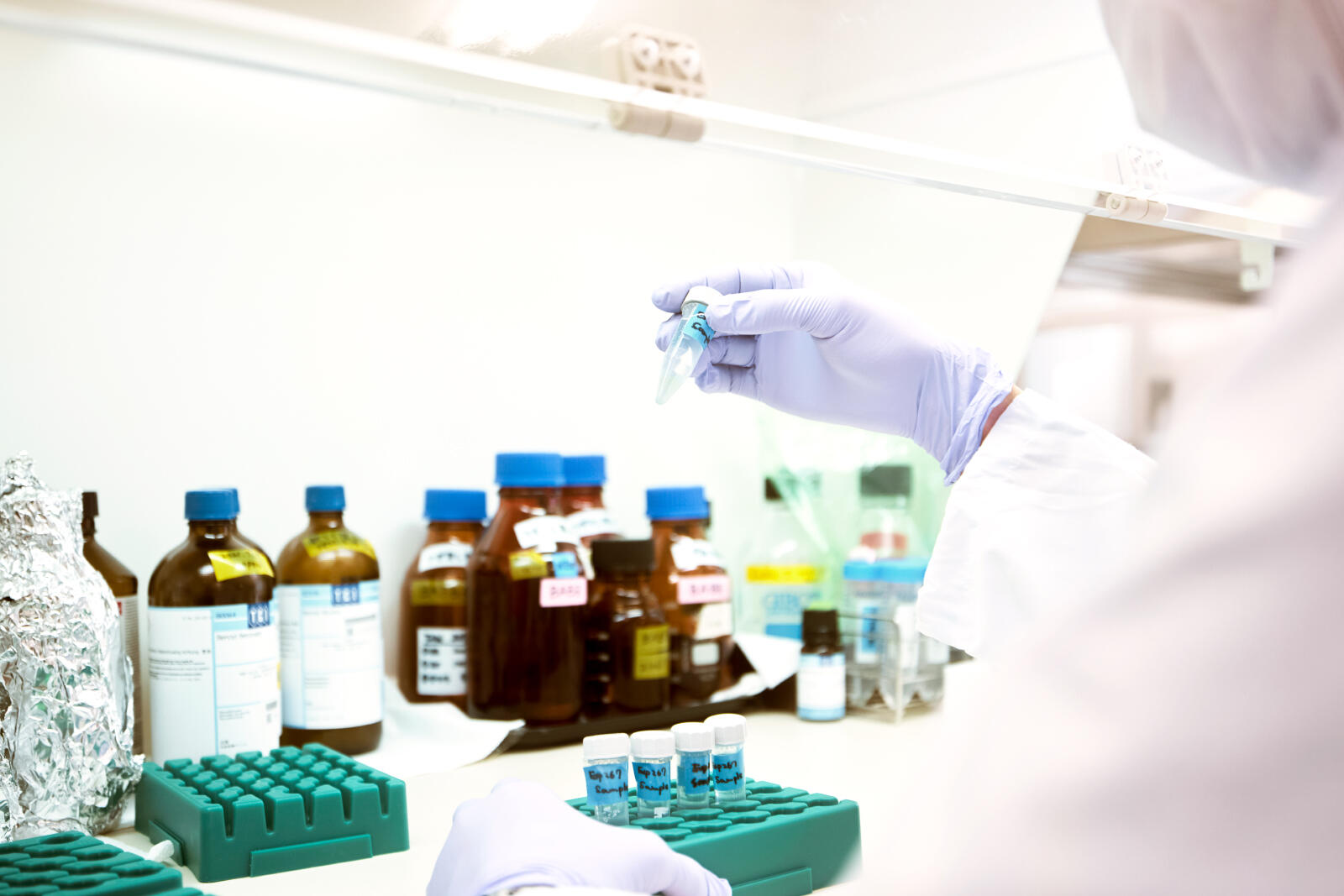
During this period, I was approached by Dr Etsuo Susaki and became involved in the development of CUBIC, a tissue-clearing technique. Subsequently, when Dr Ueda established his lab at the University of Tokyo School of Medicine, I joined his group and further advanced CUBIC-based research, extending its application to whole-brain analysis as well as whole-body tissue clearing and three-dimensional imaging in mice. Through these experiences, my research focus expanded from the molecular level to encompass cells, organs, the brain, and ultimately the entire organism. This progression led me to fully immerse myself in brain-focused biomedical research.
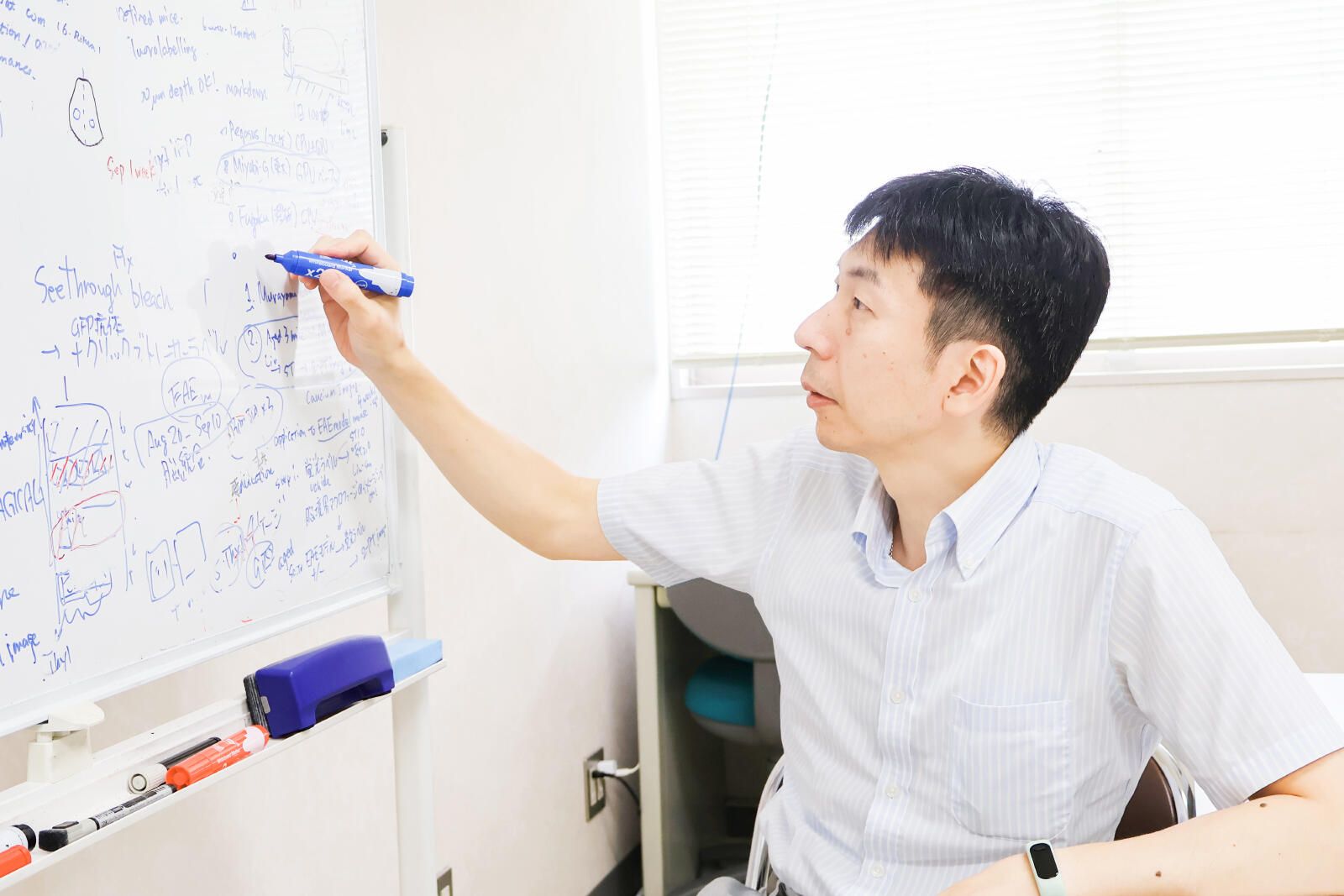
While at the University of Tokyo, I collaborated with BRI's Drs Kakita and Kitaura to apply tissue-clearing technology to the human brain. This connection later motivated me to apply for a tenure-track faculty position at BRI when the opportunity arose, and I have remained here ever since. Since joining BRI, my research has focused primarily on applications to human brain tissue. After largely establishing methods for clearing fixed human brain tissue, I expanded my work toward live imaging through skull clearing in collaboration with Dr Mikuni, which ultimately led to the development of SeeThrough. Looking back, although my research topics have evolved considerably over time, my guiding principle has remained unchanged: using chemistry to make the previously invisible visible.
What advantages do you see in doing research at BRI, and what aspects of its research environment do you find most attractive?
I believe the greatest appeal of BRI lies in the opportunity to collaborate with the Department of Pathology and conduct research using actual human brain tissue. Although findings from animal models and basic research are invaluable for advancing our understanding of disease mechanisms, medical research ultimately aims to improve patient diagnosis and treatment. From this perspective, having access to an environment where we can directly investigate human pathological conditions is exceptionally valuable. Such opportunities provide an important bridge between basic discoveries and their clinical application, enabling research that is both scientifically meaningful and medically relevant.
Furthermore, BRI brings together researchers in both the basic and clinical sciences, including experts in neurology and neurosurgery. This environment facilitates continuous bidirectional exchange between the laboratory and the clinic: findings from basic research can be readily discussed with clinical colleagues, while questions arising in clinical practice can be translated into research topics for fundamental investigation. The coexistence of basic and clinical research under one roof, enabling seamless daily collaboration, is a defining feature of BRI.
As a research institute, BRI provides an environment in which researchers can secure dedicated research time relatively easily, which is especially valuable for early-career researchers. This environment allows researchers to delve deeply into their own ideas and pursue new techniques or research directions with greater freedom. I feel that such conditions provide a unique and privileged opportunity for researchers to develop and grow professionally.
Do you have a personal motto or guiding principle that you follow in your work?
I place a high value on exploring anything that captures my interest, regardless of whether it falls within my area of expertise, while setting aside preconceptions and learning through direct experience. Because it is impossible at the outset to predict how far a project may develop, I believe that following one's curiosity and tackling topics one genuinely enjoys is often the best starting point for meaningful innovation.
Another principle I follow is to leverage the strengths that are uniquely my own. Even when many researchers are working on the same topic, the way they perceive and approach it is shaped by their individual expertise and experiences. For example, when I became involved in research on tissue clearing, there were already researchers with backgrounds in chemistry. However, because I had studied synthetic organic chemistry in depth, I was able to contribute a distinct perspective that complemented the existing work and added value to the discussion.
When entering a new field, rather than thinking, "I'm not an expert in this area," it is important to consider how the expertise you have cultivated so far can be applied to new topics. I believe that the unique perspective shaped by your own expertise—one that only you can bring—is what ultimately drives the originality and distinctiveness of your research.
Please tell us about any particularly memorable experiences from the research projects you have been involved in so far.
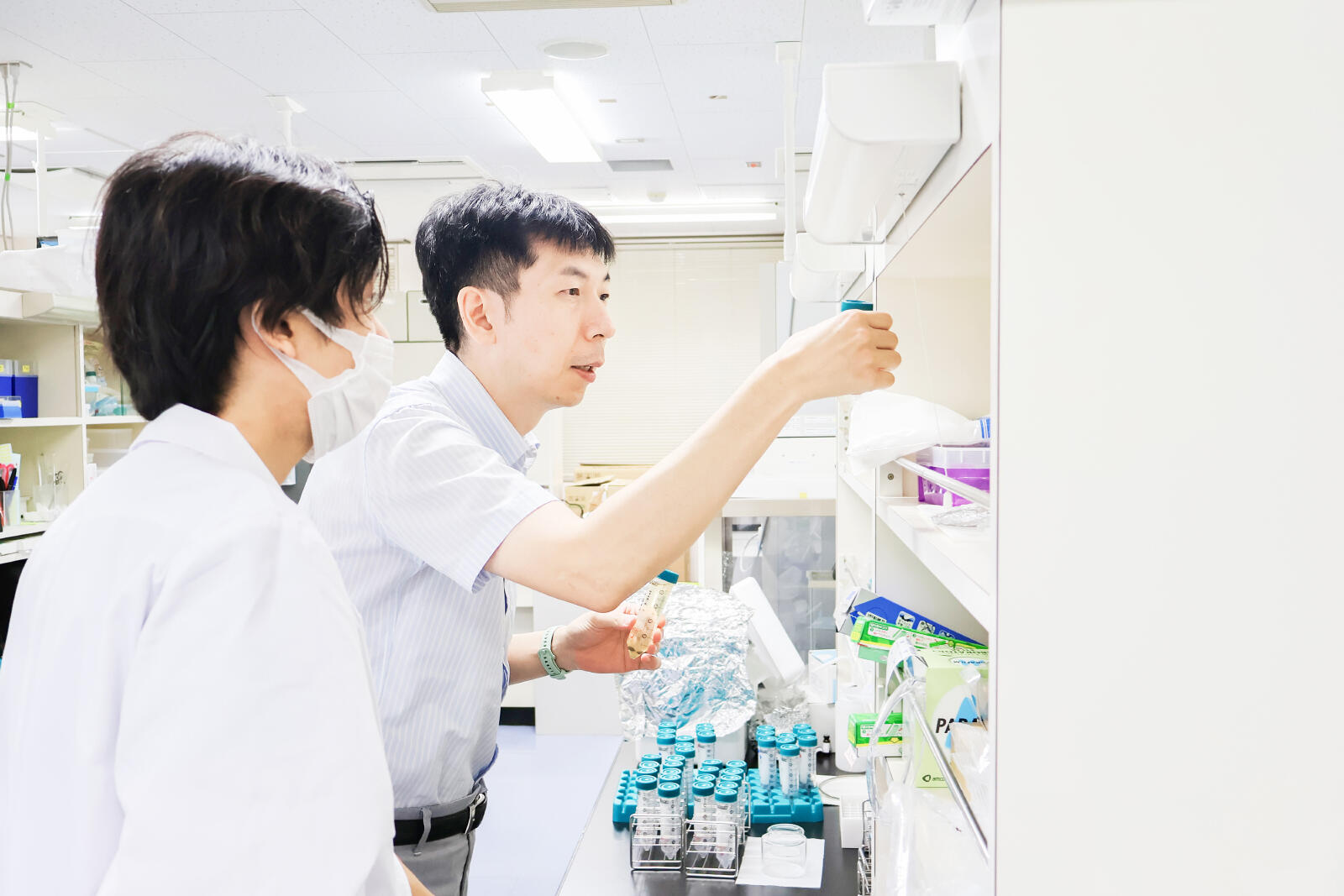
What stands out most vividly in my memory is the development of the tissue-clearing technique CUBIC. The project was motivated by a simple challenge: when we applied Scale, an early tissue-clearing method developed by Dr Miyawaki, to the brains of adult mice, the transparency achieved was still insufficient. To address this limitation, we systematically analyzed the components of the existing clearing solution and initiated a small-scale chemical screening to identify more effective formulations.
During this process, we observed that amino alcohols exhibited particularly strong tissue-clearing efficacy. After optimizing the conditions, we successfully achieved whole-brain clearing in adult mice. Furthermore, when the method was applied to other organs, we found that it also reduced coloration caused by blood. Subsequent investigations revealed that the amino alcohols promoted the elution of heme from tissues. This finding prompted us to extend our research beyond the brain to include the clearing of blood-rich organs requiring decolorization, as well as the optical clearing of mouse embryos.
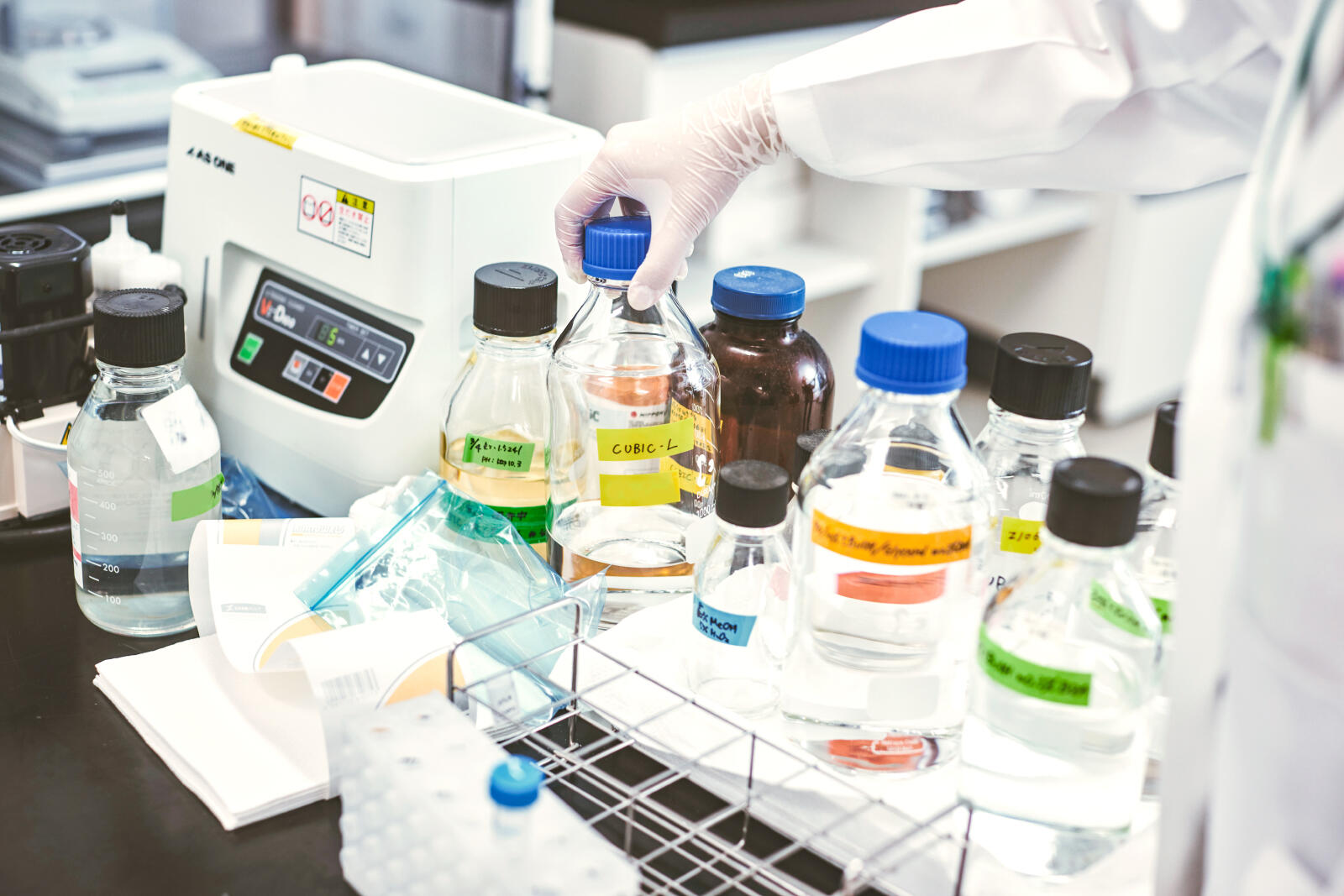
Subsequently, from a pool of approximately 25,000 commercially available compounds, we selected 1,619 candidates that met key criteria, including water solubility, and established a screening platform capable of efficiently evaluating properties essential for tissue clearing, such as delipidation, decolorization, and refractive-index matching. Importantly, the results obtained from simple preliminary assays using brain and blood suspensions showed strong correlation with tissue-clearing performance in actual tissues. This approach dramatically expanded the scale of screening and enabled tissue clearing, which had previously relied largely on empirical trial-and-error, to be characterized and optimized based on quantifiable chemical parameters.
Through this comprehensive investigation, we were also able to define the limits of what could be achieved using water-soluble tissue-clearing techniques. This led me to an important conclusion: while CUBIC is highly effective for imaging fluorescent proteins in mice, the BABB system, which relies on organic solvents, is far better suited to human tissues. When a research project continues to show promise, it is easy to keep pursuing the same path indefinitely. However, only by pushing a project to its limits can one truly understand its boundaries and gain the confidence to make a decisive shift toward a new direction. In that sense, CUBIC remains one of the most memorable projects of my research career.
What aspects of brain research do you find particularly rewarding? Are there any challenges that come with it?
The fascination of brain research lies not only in advancing one's own work but also in understanding the discoveries being made by others around us. Together, these efforts enable the scientific exploration of questions that strike at the very core of human existence: What is the mind? Who am I? What is consciousness? Research has shown that stimulation of specific brain regions can influence emotions and behavior and, in some cases, may also affect preferences and aspects of personality. When we consider that our sense of self is itself constructed by the brain through the integration of diverse streams of information, we are reminded once again of the extraordinary complexity and mystery of this remarkable organ.
On the other hand, a major challenge in medical research is that uncovering the mechanisms of a disease through basic research does not necessarily translate into effective treatments. For instance, even when researchers identify an abnormality in a specific molecule within a particular cell type in a defined brain region, there are often very limited ways to safely and selectively target that exact site for intervention. Moreover, as our understanding of disease pathology becomes increasingly detailed and treatments become more precisely targeted, therapies often grow more complex and costly, reducing their accessibility to the broader population.
Ideally, we seek treatments that are less burdensome on the body and relatively inexpensive, while still producing meaningful improvements in symptoms and quality of life. This is one of the primary reasons I am interested in research on taVNS. I hope to carefully elucidate the extent to which this simple, non-invasive method of transcutaneously stimulating the auricular branch of the vagus nerve can modulate human physiological functions and pathological conditions. Ultimately, I aim to translate these findings into practical therapeutic and health-support technologies that can benefit patients and the broader public.
What are your goals for the future? Are there any new skills or challenges you'd like to pursue?
Although there are still technical challenges to fully integrating 3D imaging, AI-driven image analysis, and subsequent molecular analyses into a single analytical platform, I am confident that steady progress will continue to be made in this area. Looking further ahead, and as a member of BRI, I hope to take on the challenge of translating our research findings into practical applications that contribute to the development of novel treatments and the improvement of health and welfare.
I hope not only to gain a detailed understanding of the mechanisms underlying brain disorders through basic research, but also to translate this knowledge into the development of novel therapeutic drugs, treatments, and health-support technologies that are both practical for patients and minimally burdensome. To achieve this goal, I intend to strengthen and expand my collaborative research efforts with physicians in the Departments of Neurology and Neurosurgery, engaging in such collaborations even more actively.
Another area I hope to pursue in the long term is research that reexamines brain disorders and individual differences through the lens of evolution. Although diseases and disabilities are often regarded as "deviations from the norm", the human brain exhibits remarkable diversity across individuals. I believe that understanding how and why this diversity emerged and has been maintained over the course of evolution is essential for gaining deeper insight into the nature of these conditions and the mechanisms underlying them.
Furthermore, I do not wish to limit this understanding to medicine alone. Rather, I hope to share these insights with researchers in education, engineering, the humanities, and the social sciences, and to explore how society can best harness and benefit from human differences. My hope is that BRI will serve as a hub for interdisciplinary collaboration, contributing to the creation of a "co-evolutionary society" that not only embraces disability and individuality, but also values diversity as a driving force for social transformation and collective flourishing. To achieve this goal, I hope to advance two complementary lines of inquiry in parallel: research aimed at understanding and treating disease, and research aimed at deepening our understanding of human diversity and applying that knowledge to the design of a more inclusive society.
Could you tell us how you spend your time after work and during weekends or holidays? Are there any hobbies or favorite ways you relax?
I usually spend my days off with my family. On weekends, I often enjoy cooking. When I'm short on time, I make simple meals, but when I have more time, I like to prepare dishes that require a bit more effort. Cooking and spending quality time with my family are great ways for me to relax and recharge.
Do you have any advice or words of encouragement for individuals interested in joining BRI as researchers or graduate students?
Brain research presents many challenges that cannot be addressed by a single discipline alone. Therefore, it is not essential to specialize in neuroscience from the outset. In fact, expertise in other fields, such as chemistry, engineering, or computer science, can be a significant asset and often provides valuable perspectives for advancing neuroscience research.
In particular, when developing new experimental methods or analytical techniques, researchers often encounter challenges that cannot be addressed through biological knowledge alone. I began my research career in chemistry and later expanded my work into tissue clearing and 3D imaging through a chemistry-based approach. To me, one of the greatest appeals of brain research is its interdisciplinary nature: when researchers from different fields combine their expertise, they can make discoveries and achieve advances that would not have been possible within a single discipline.
On the other hand, because brain research encompasses such a wide range of disciplines, simply saying, "I want to study the brain" can sometimes leave you without a clear direction. That is why it is important to think carefully about the questions you want to answer and the goals you hope to achieve. Once you have a clear sense of purpose, you will begin to see how the knowledge and skills you have developed so far can be applied to brain research. For those who aspire to take on new challenges while making the most of their unique strengths and expertise, I believe BRI provides an exceptionally stimulating and rewarding environment.
