


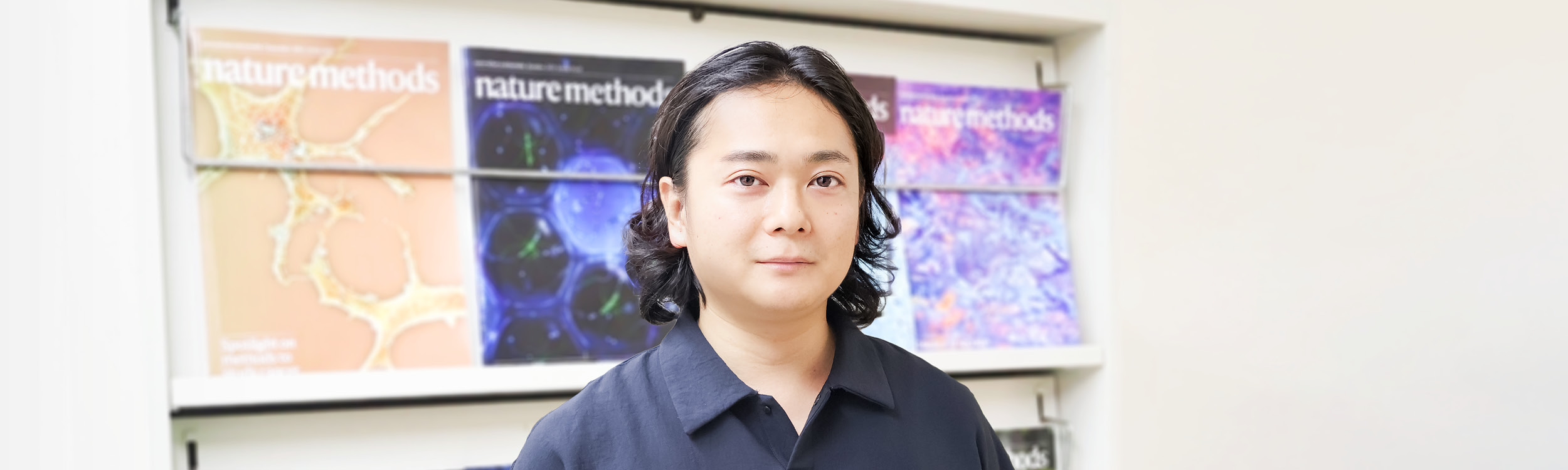
Shinya Oginezawa
PhD in Molecular and Cellular Medicine course
Interview
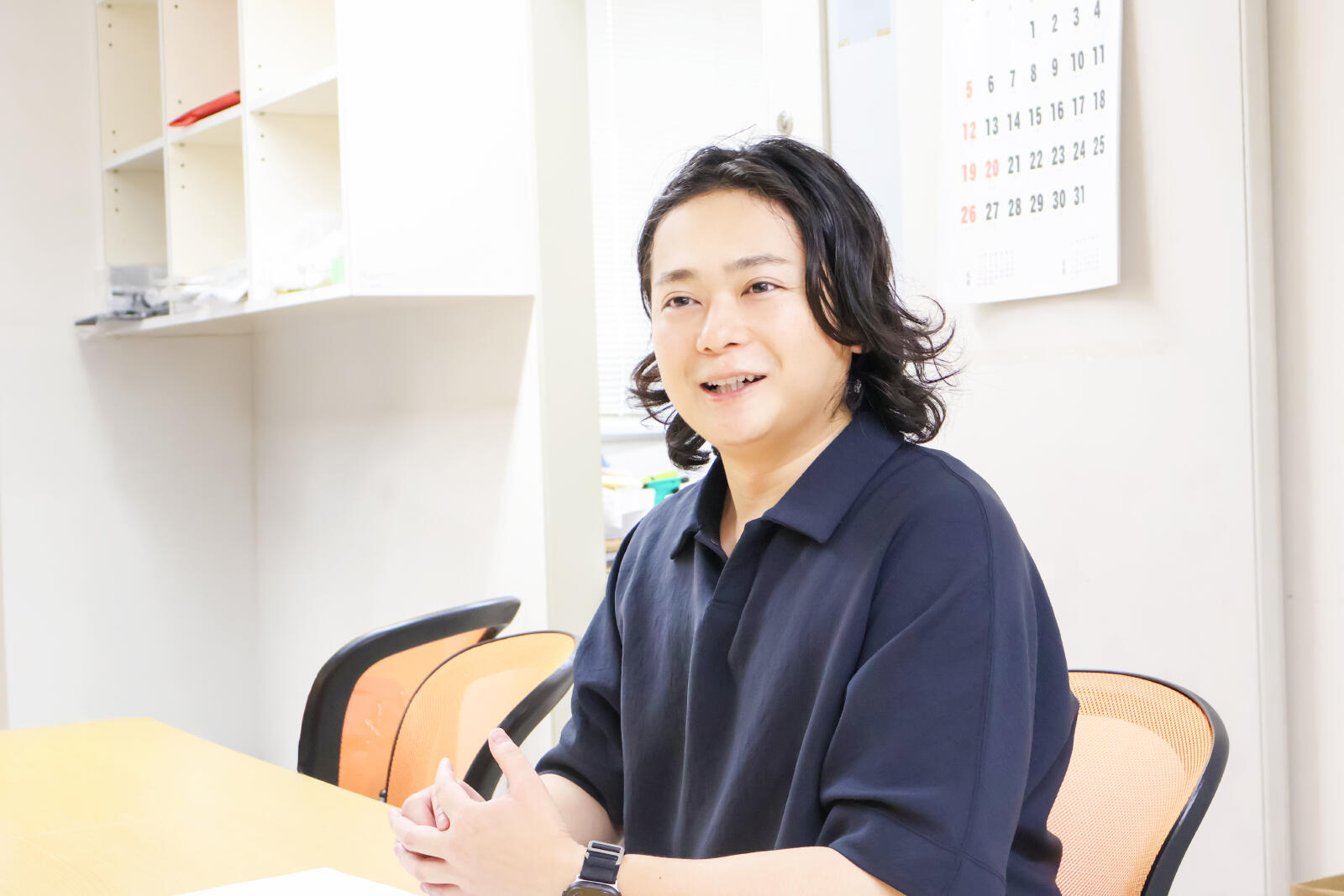
Please share an overview of your career so far and describe your current research.
After graduating from Niigata University, I completed my initial residential training at Niigata University Hospital and subsequently joined BRI's Department of Neurology. Following five years of clinical practice as a neurologist at several hospitals throughout Niigata Prefecture, I enrolled in a graduate program.
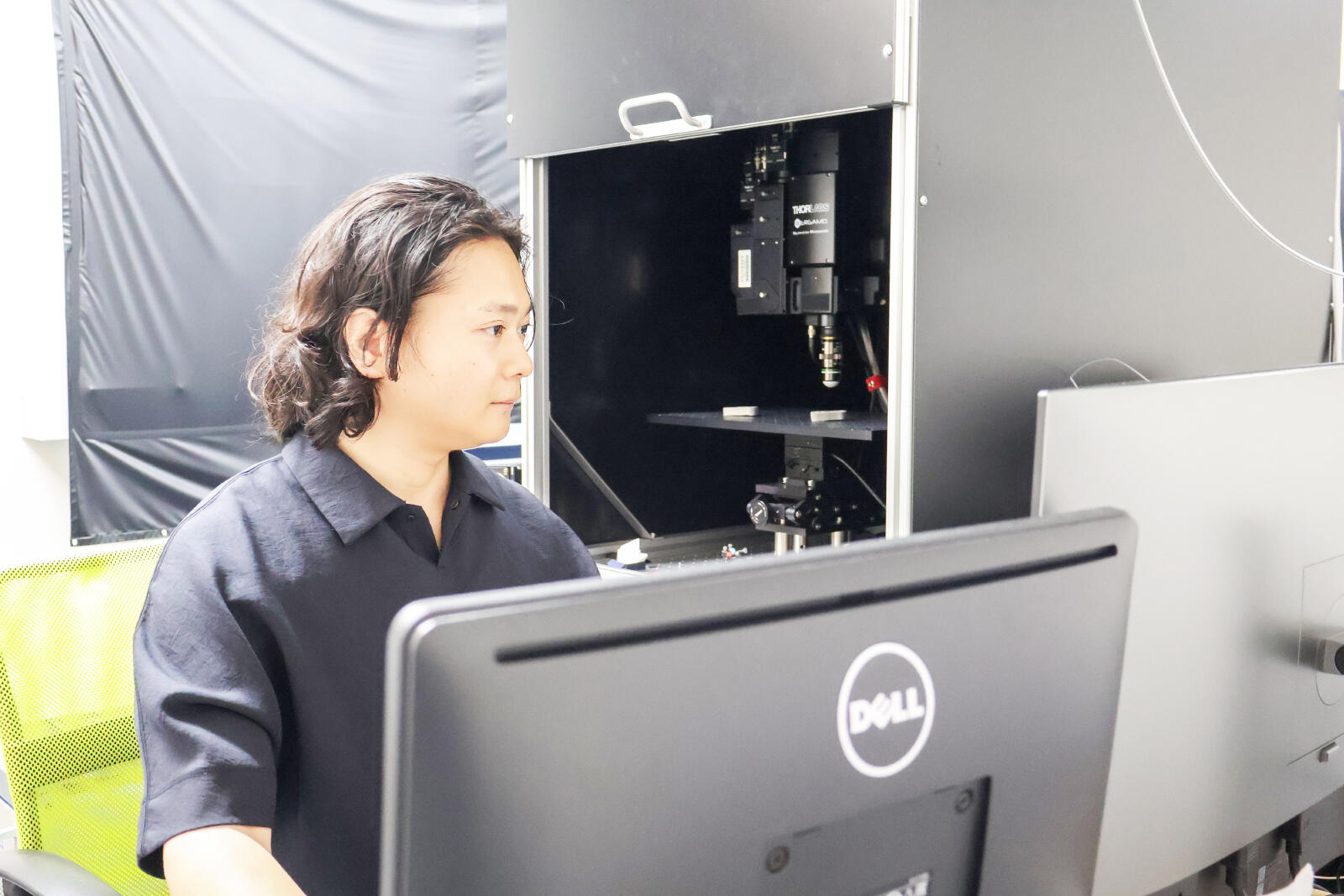
My current research focuses on cerebrospinal fluid circulation and the clearance of metabolic waste from the brain. Using advanced in vivo imaging techniques in mouse models, I investigate the mechanisms underlying brain waste clearance and fluid dynamics within the central nervous system.
What inspired you to pursue brain research, and why did you choose to study at BRI for your graduate degree?
While working as a neurologist, I had a somewhat vague desire to try my hand at brain research. At the same time, however, I lacked a clear reason for pursuing the particular field and was unsure whether it was wise to enroll in a graduate program with such uncertain motivation. Fortunately, I knew many senior colleagues who had completed their graduate studies at BRI, and they all shared the same advice: "Doing research is a wonderful experience." Their enthusiastic encouragement ultimately gave me the confidence to take the next step and enroll in the program.
What do you consider the strengths of conducting research at BRI?
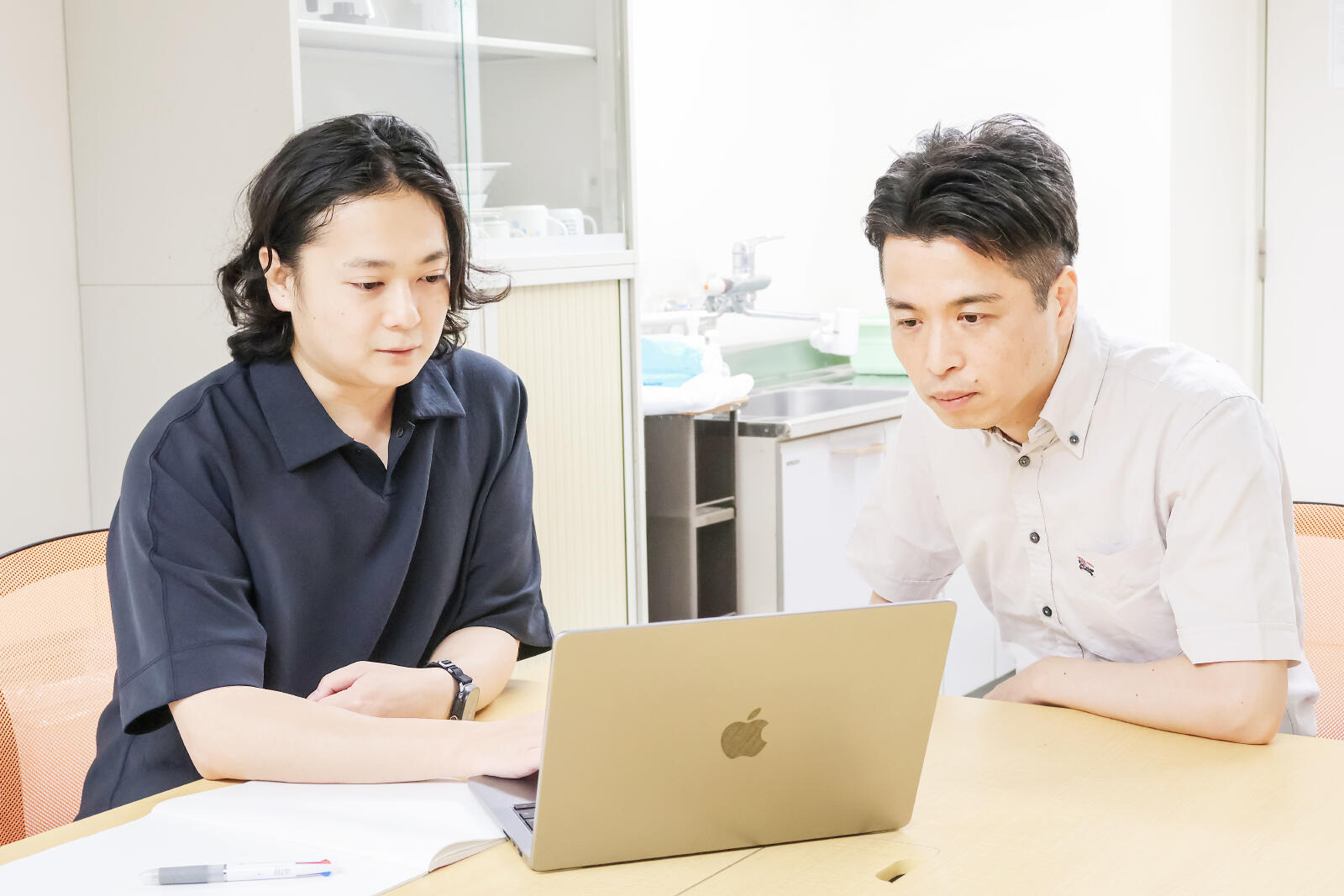
BRI is staffed by experts across a wide range of areas in brain research, so there is always someone to consult and learn from. In my lab, I have been able to acquire and apply a broad range of experimental techniques, including imaging, electrophysiology, gene delivery, and immunostaining. Beyond technical skills, I have also gained a solid understanding of the fundamental principles of scientific research. Furthermore, BRI maintains strong ties with related fields such as clinical medicine and pathology, providing a rich source of ideas and research questions that continually inspire and drive our work.
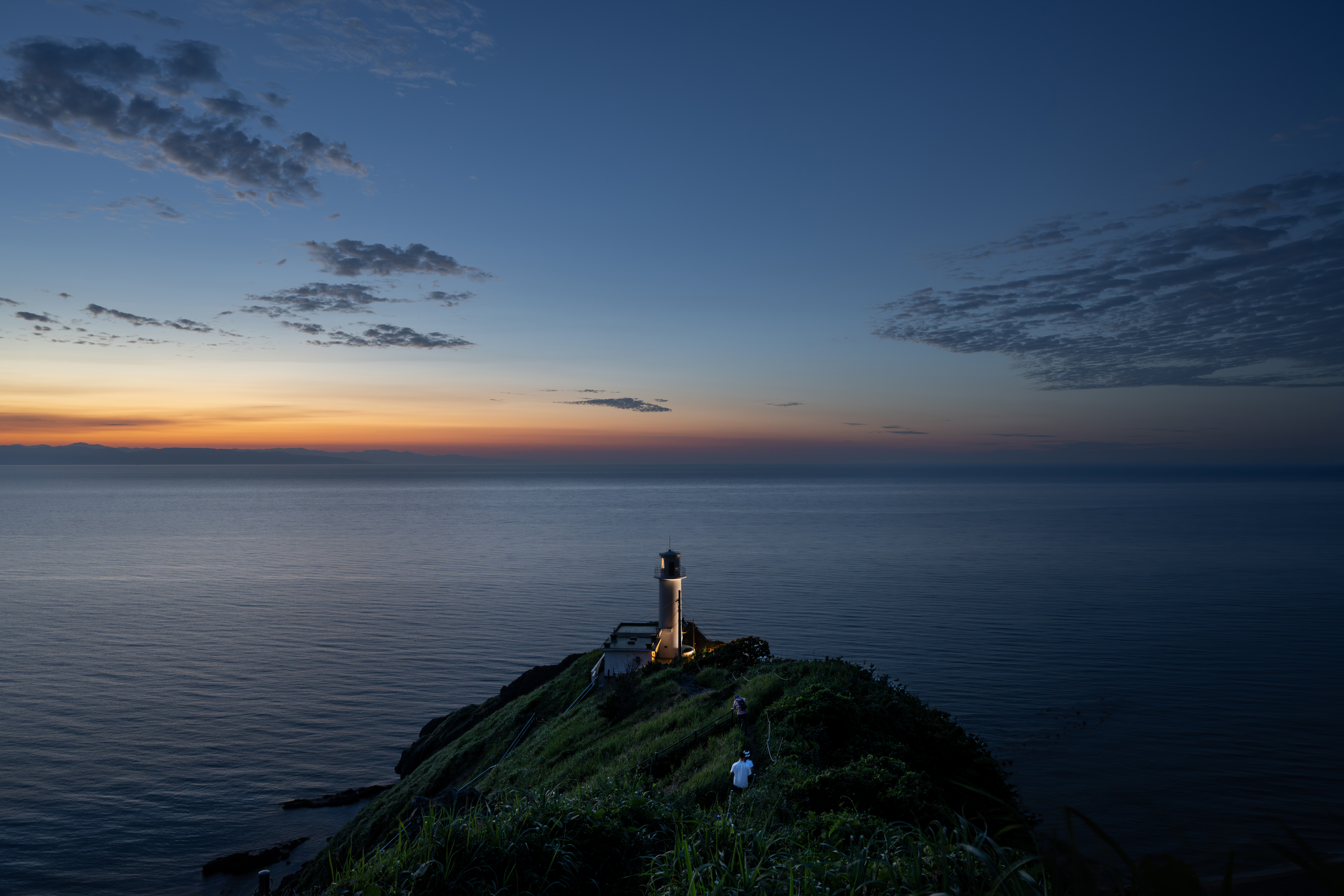

Photos by Dr. Oginezawa (click to enlarge)
How do you spend your time outside of research and on holidays? How do you refresh and recharge?
As photography is one of my hobbies, I recharge by enjoying Niigata's unique natural environment. After work, I often photograph the sunset at the beach within walking distance of BRI, while on my days off, I enjoy taking pictures of wild birds. BRI's location near the center of Niigata City also gives me plenty of opportunities to explore excellent restaurants, and enjoying good food is another way I relax and recharge.
Is there anything you aspire to learn or challenge yourself with in the future?
My current goal is to organize my research findings thoroughly, develop them into a manuscript, and publish them in a scientific journal. In terms of what I would like to learn, I hope to expand my knowledge beyond my specific research area and gain a broader understanding of neuroscience as a whole. I believe that a deeper understanding of the mechanisms underlying neural activity in the brain will also enhance my understanding of clinical practice.
What message would you like to share with those considering graduate programs at BRI?
BRI offers an unparalleled environment for brain research. We also host events such as the Niigata Nouken Seminar for Neuroscience. If you are interested, please feel free to stop by and visit us at BRI.
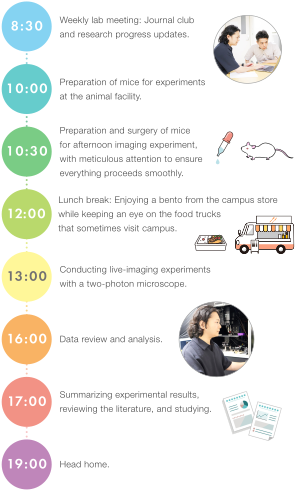
Timetable of an ordinary day