


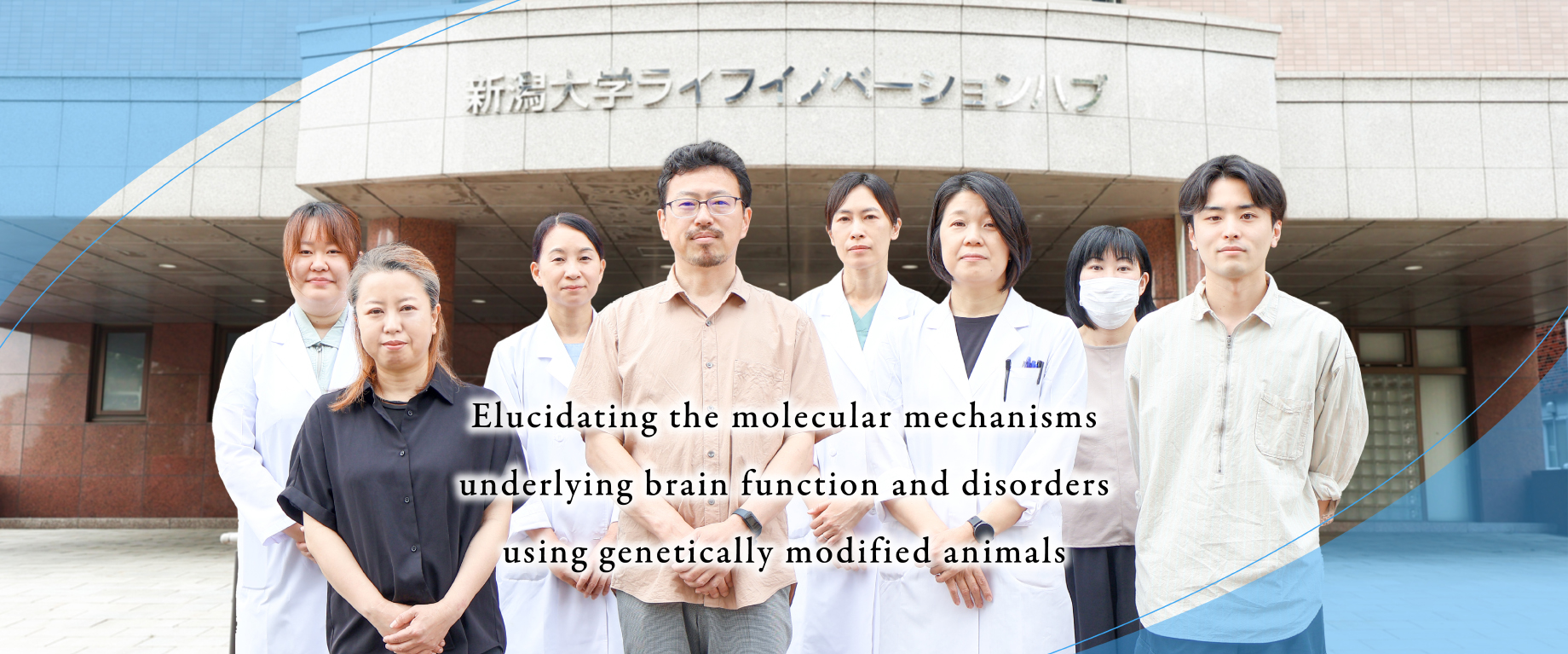
Members
Toshikuni SASAOKA
Manabu ABE
Research Focus
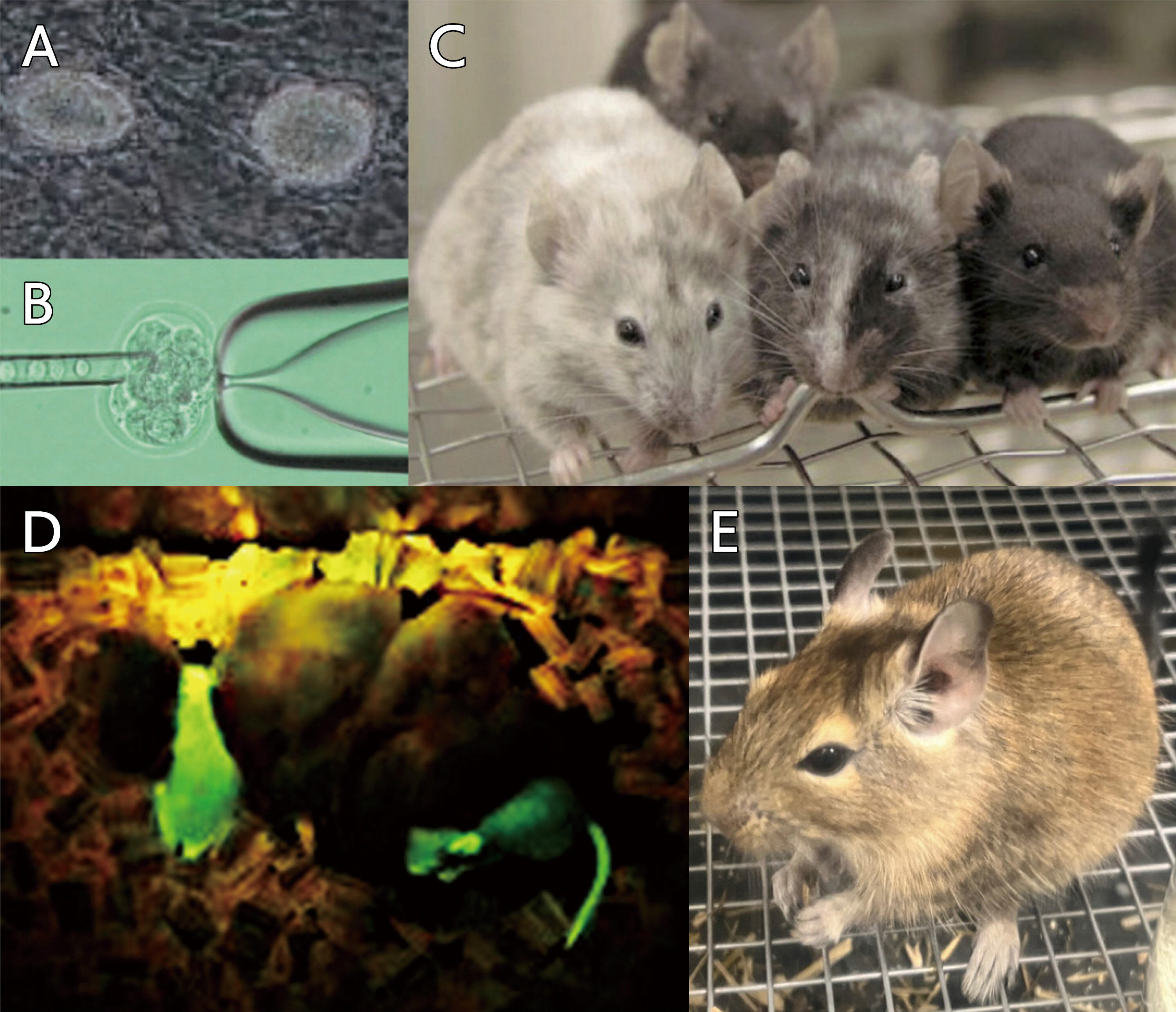
Our laboratory is dedicated to elucidating the molecular mechanisms underlying brain functions such as memory and learning, as well as the pathogenesis of neurological and psychiatric disorders. To date, we have generated numerous genetically modified C57BL/6 mice suitable for analyzing brain function. By employing behavioral, histological, biochemical, and electrophysiological methods, as well as cutting-edge technologies, we have elucidated the physiological roles of various molecules. In addition to establishing rat embryonic stem cell lines and generating genetically modified rats--tasks that have long been considered far more challenging than those involving mice--we have successfully developed new techniques in developmental and reproductive engineering. Furthermore, we are actively advancing the development of more sophisticated techniques for generating genetically modified animals through the application of genome editing. Currently, I am focusing primarily on the mechanisms underlying autism spectrum disorder and Alzheimer's disease, conducting research related to the regulation of neurotransmission and synaptic plasticity, as well as cellular aging and autophagy. More recently, we have introduced the degu (Octodon degus), a small rodent, as a new model animal and have begun research focusing on social behavior.