


Manabu Natsumeda
Associate Professor,
Dept of Neurosurgery / Dept of Brain Tumor Biology
Interview
Please tell us about your current main research focus.
Our lab's main research focus includes developing therapeutic strategies using cultured malignant brain tumor cell lines and establishing minimally invasive diagnostic approaches for malignant brain tumors, such as liquid biopsy. However, our lab comprises neurosurgeons, researchers, and students with diverse scientific interests. As a result, our research activities extend beyond malignant brain tumors and encompass a broad range of topics, including benign brain tumors, epilepsy, nerve regeneration, and cerebrovascular disorders such as cerebral aneurysms and arteriovenous malformations.
Could you tell us about your career to date and how you came to conduct research at BRI?
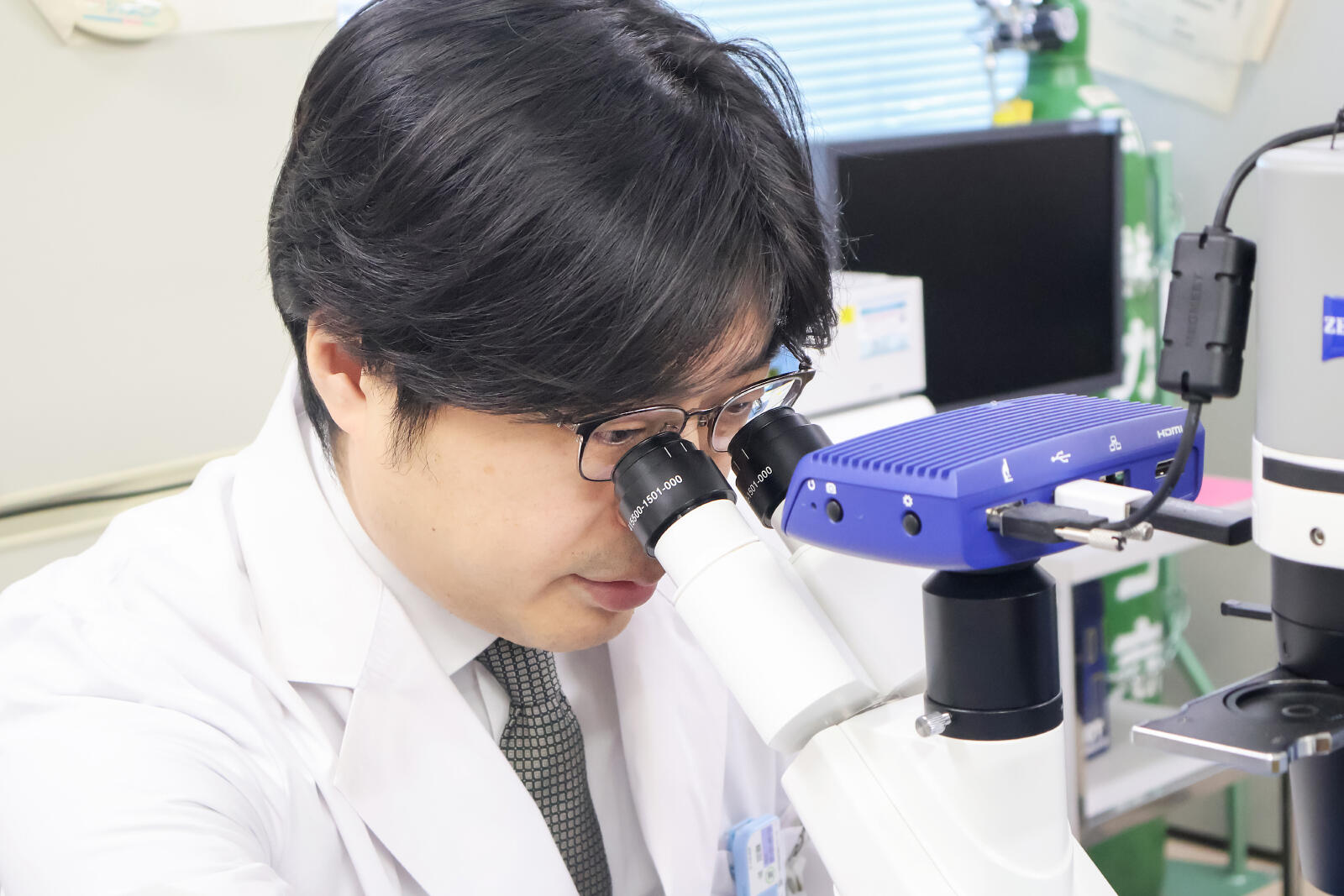
I am a neurosurgeon who joined the Department of Neurosurgery in 2003. During my doctoral training, I studied neuropathology under the supervision of Professors Hitoshi Takahashi and Akiyoshi Kakita. Subsequently, from 2013 to 2016, I worked as a postdoctoral fellow in the Department of Neuropathology at Johns Hopkins University School of Medicine, where I conducted research on cultured brain tumor cells under the supervision of Professor Charles Eberhart. During this period, I developed a research approach that integrates pathological evaluation and bioinformatics analyses to address clinically relevant questions, followed by validation of the findings using cultured cell lines and mouse intracranial xenograft models. After returning to BRI in 2016, I have been engaged in both clinical practice and laboratory research, focusing on adult and pediatric malignant brain tumors.
Please describe the key features and advantages of BRI's research environment.
The greatest advantage of BRI is its highly collaborative environment, where numerous labs specializing in neuroscience are located in close proximity. This facilitates immediate consultation with experts across a wide range of disciplines. Even when I encounter challenges beyond my own expertise, I can readily seek advice and support, often leading to new collaborative research projects. For example, neuropathological diagnoses can be discussed with Professor Kakita and other pathologists, while questions related to neuroimaging can be addressed through consultation with Dr. Kouichirou Okamoto. This interdisciplinary environment provides a broad range of research opportunities. Collaborative studies with the Center for Integrated Human Brain Science have enabled projects such as predicting IDH mutation status in gliomas using MR spectroscopy. In addition, collaboration with Professor Masaki Ueno has supported the development of a mouse model for brain arteriovenous malformations. Such close access to specialized expertise makes it possible to pursue innovative and wide-ranging brain research that would be difficult to achieve independently.
Are there any values or mottos that you consider especially important in your research and work?
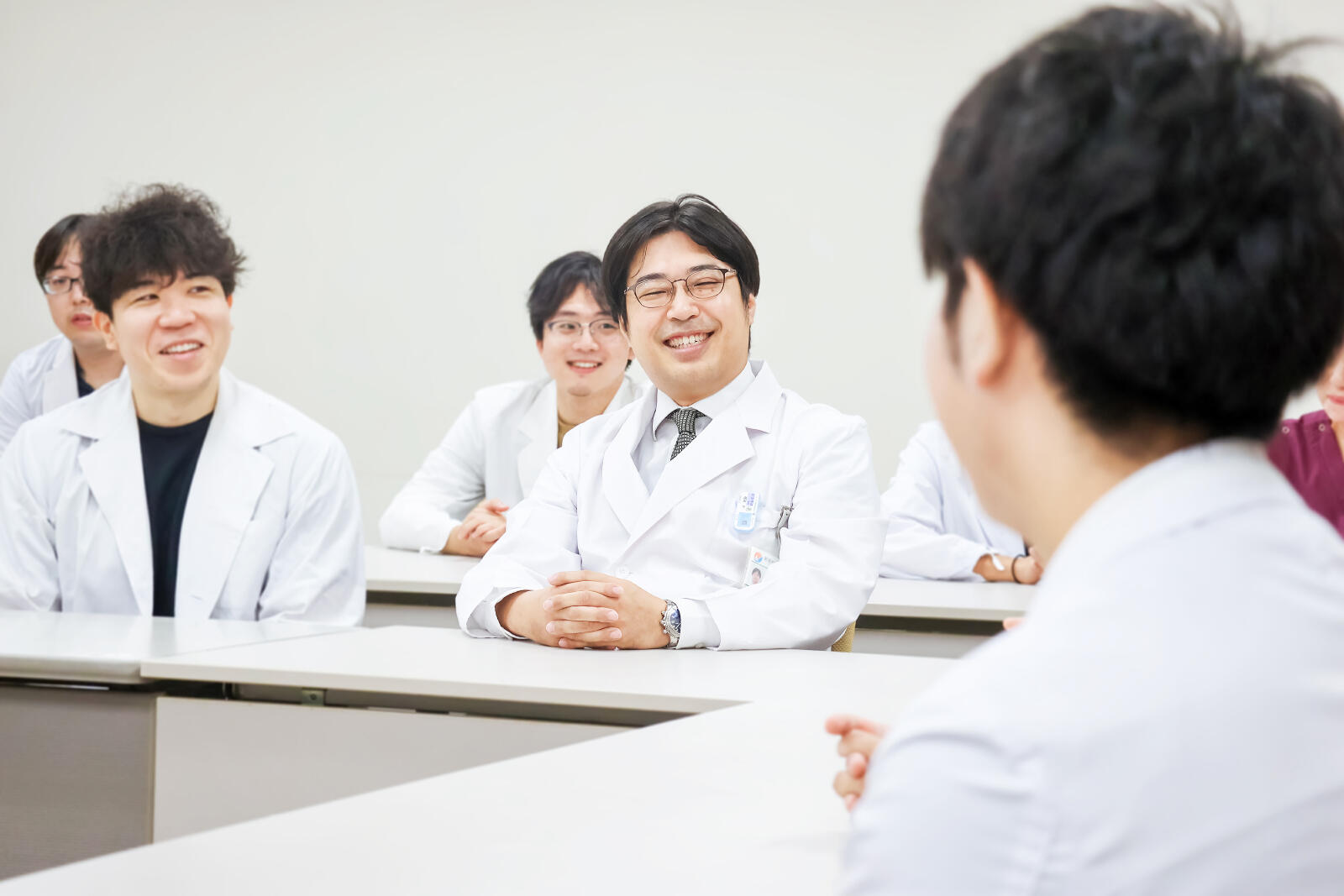
Our lab is guided by two core mottos: "Research must be enjoyable." and "Research should benefit patients." We believe that sustained scientific achievement is possible only when researchers are genuinely engaged and inspired by their work. For this reason, research themes are not assigned in our lab. Instead, we encourage each researcher to pursue questions and projects that truly spark their interest. At the same time, as a clinical research lab, we recognize the importance of ensuring that our work remains relevant to patient care. We therefore avoid conducting "research for research's sake" and focus on studies that advance our understanding of disease and contribute to improved diagnosis, treatment, and patient outcomes.
What aspects of this work do you find particularly rewarding, and what makes it unique? Are there any challenges that come with it?
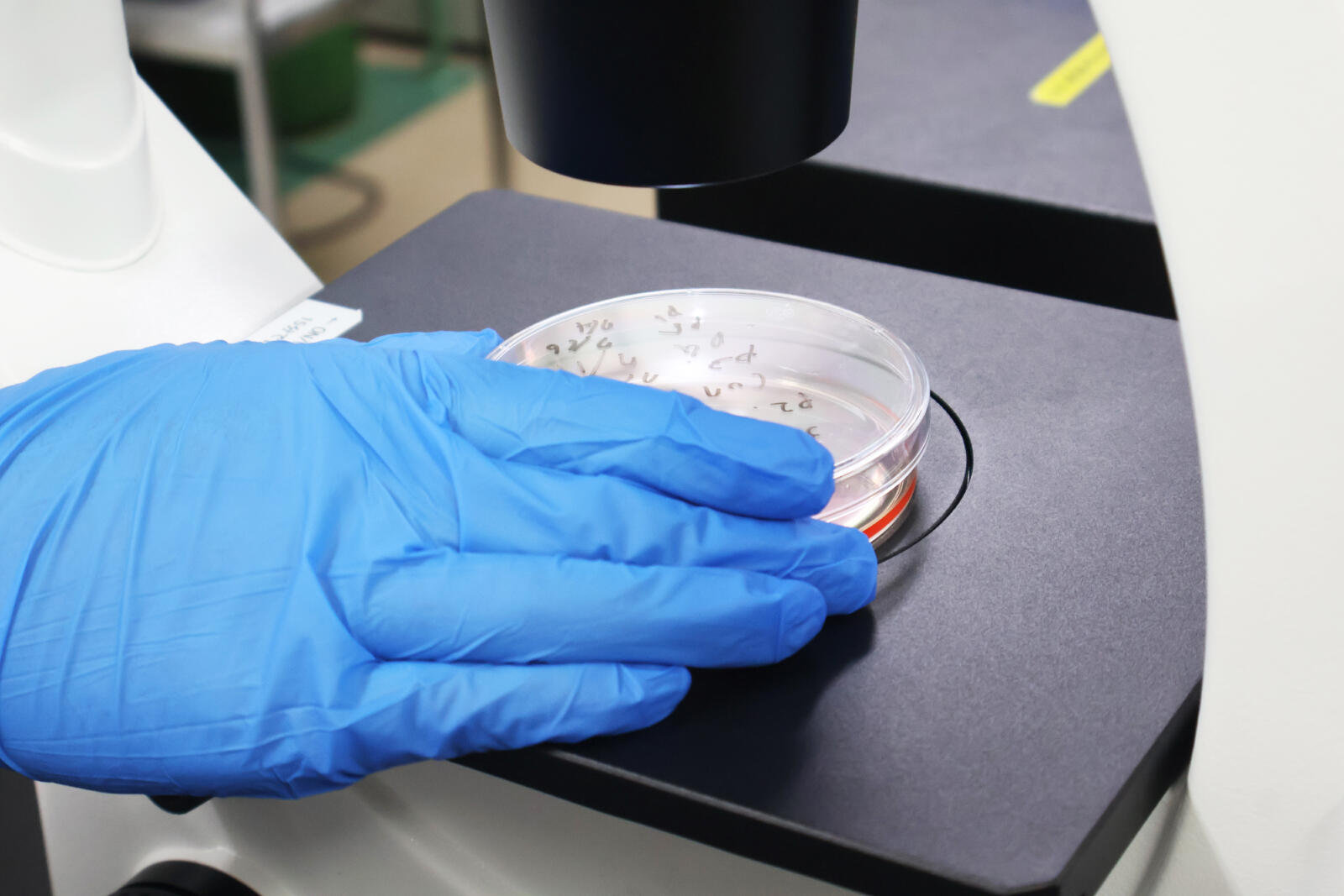
We have developed a method to diagnose intravascular lymphoma, an aggressive disease that has historically been difficult to treat because of delayed diagnosis, using just one milliliter of blood in as little as three hours. I find it immensely rewarding to elucidate the mechanisms underlying malignant transformation in rare brain tumors and to establish novel cell lines that provide a foundation for developing new therapeutic approaches. At the same time, working with rare tumors presents significant challenges. Because patient populations are small, it is often difficult to secure substantial research funding, attract industry partners willing to support clinical trials, or obtain the financial resources needed to advance promising treatment concepts into clinical practice.
Could you tell us how you spend your time after work and during weekends or holidays? Are there any hobbies or favorite ways you relax?
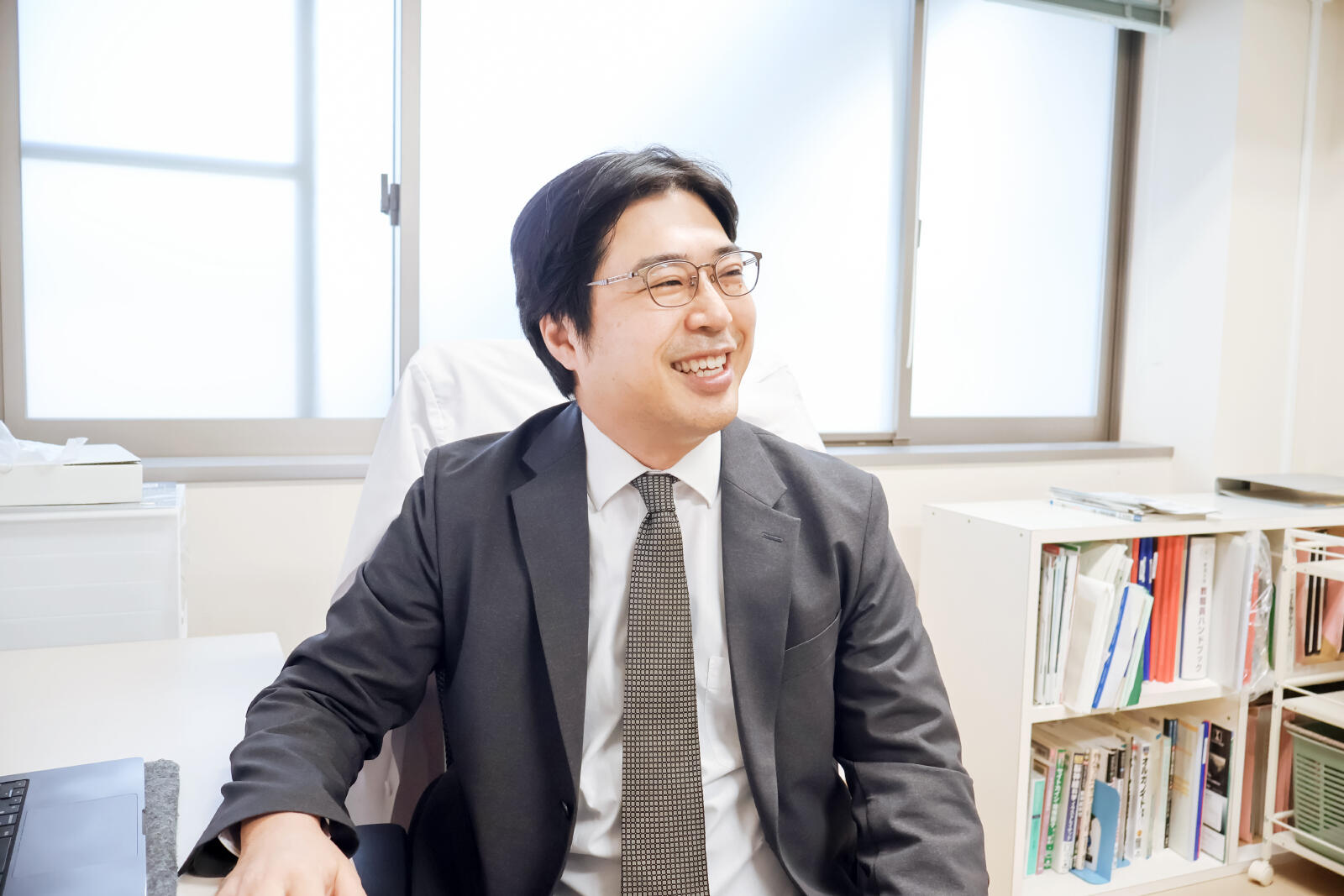
Because I often spend weekends attending academic conferences and research meetings, opportunities to fully relax are rare. To recharge, I enjoy jogging during business trips and exploring the local cuisine.
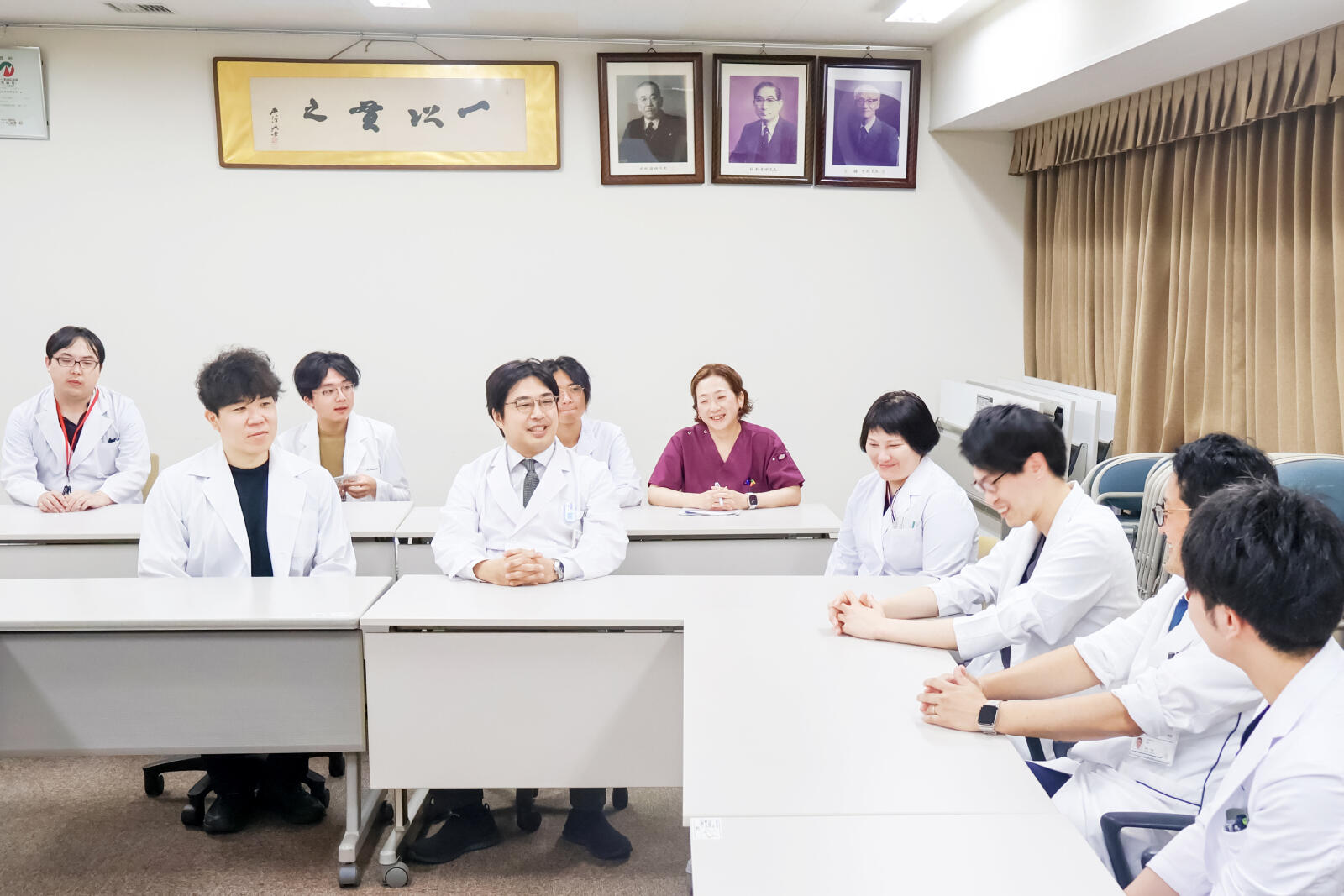
What are your goals for the future, and how do you envision the path ahead?
My goal is to develop and establish novel therapies for rare malignant brain tumors and thereby dramatically improve patient outcomes. Achieving this goal requires tremendous perseverance and is both time-consuming and costly. Nevertheless, together with my lab members, I will continue to make steady and meaningful progress toward translating our research into effective treatments for patients.
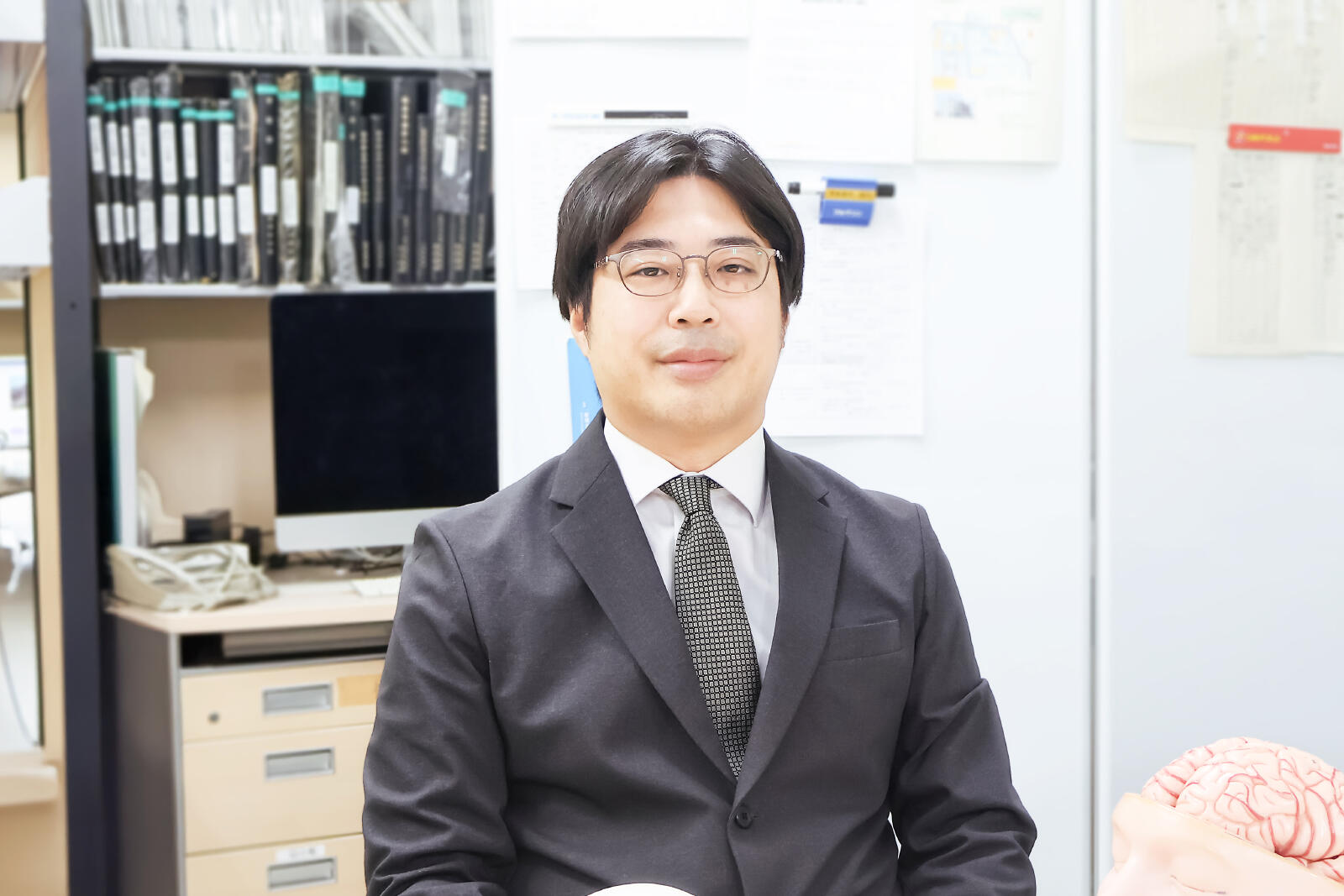
Do you have any advice or words of encouragement for individuals interested in joining BRI as researchers or graduate students?
Here, you can engage in research that is directly connected to the diagnosis and treatment of patients with brain tumors. We offer a wide range of research opportunities, allowing you to explore the areas that most interest you. For projects that cannot be fully conducted within our lab, we actively collaborate with numerous research groups both in Japan and internationally, providing access to extensive expertise and resources. If you are interested in joining our research efforts or would like to learn more, please feel free to contact us. For further information, visit our laboratory website:https://niigatabri-brain-tumor-biology.com
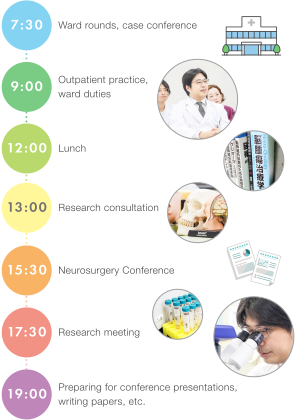
Timetable of an ordinary day