


Members
Masaki UENO
Tokiharu SATO
Takahiro INOUE
Research Focus
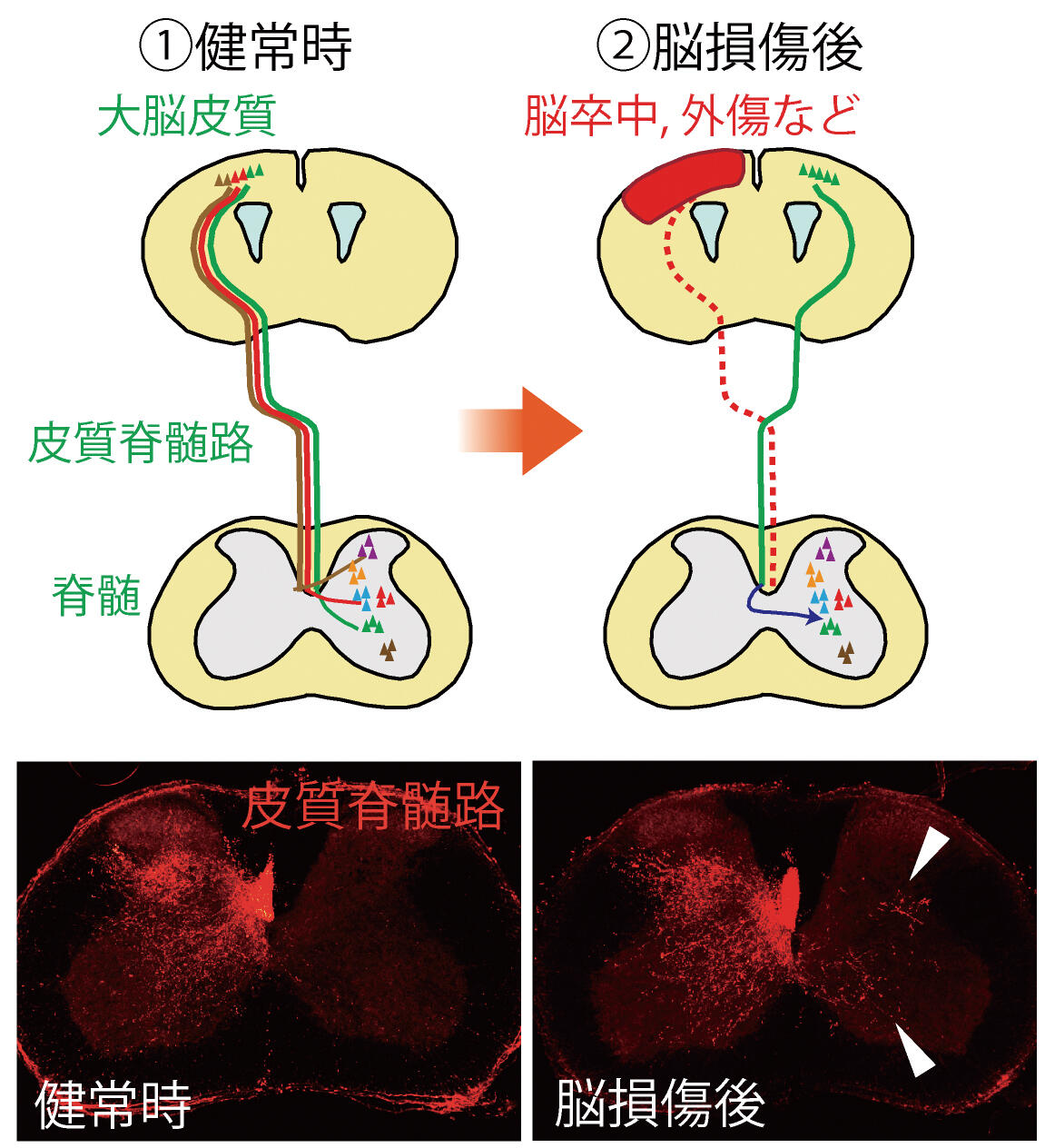
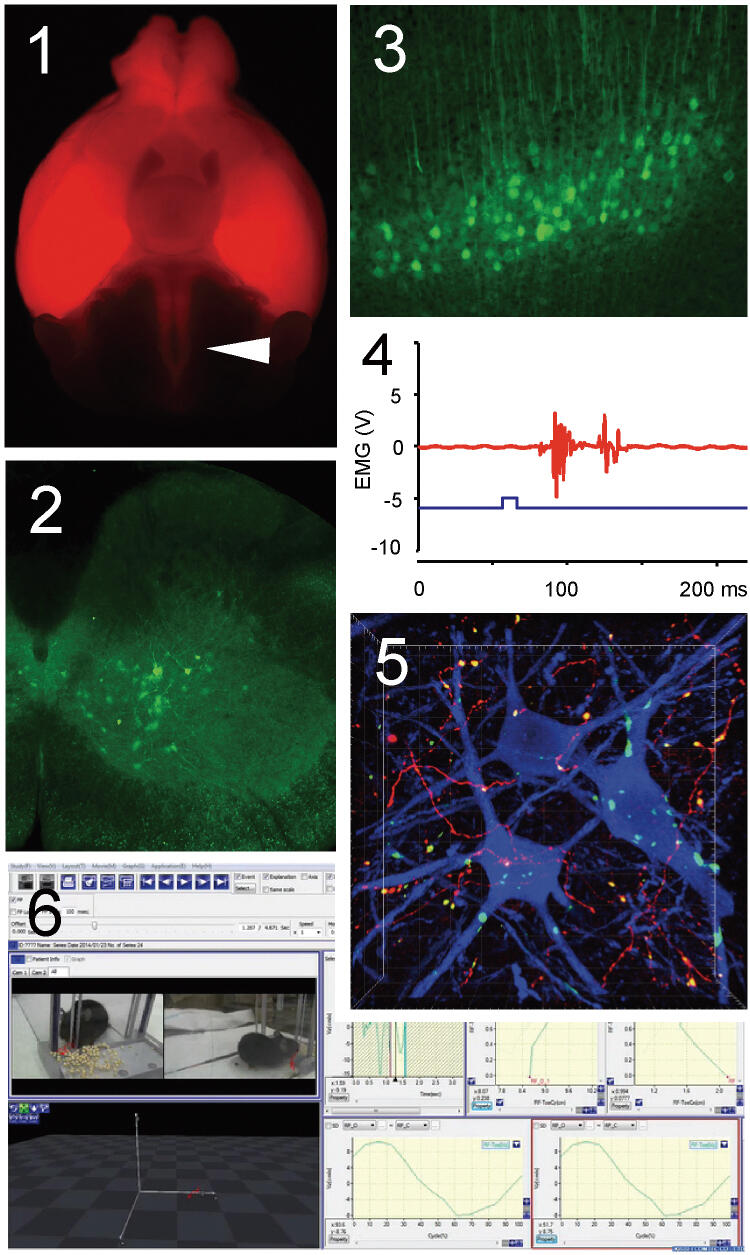
Central nervous system (CNS) injuries due to stroke and trauma disrupt neural circuits and result in severe functional deficits. The brain and spinal cord have very limited capacity to reconstruct the circuits once they are damaged, and therefore no effective therapeutic methods have been developed so far. We previously demonstrated that spared motor and autonomic circuits are dynamically reorganized after injuries and influence the recovery process of functions. These suggest that controlling the rewiring of neural circuits could help establish proper neuronal connections to support functional recovery. The goal of our study is to understand the process of rewiring and the underlying neural and molecular mechanisms to restore functions. To this end, we are analyzing neural systems of both normal and injured brain and spinal cord, using cutting-edge techniques including mouse genetics, viral tracers, optogenetics, chemogenetics, omics analyses, and 3D behavior analysis. We believe that this study will pave the way to develop novel strategies to restore neural circuits and their functions.