


Members
Hideaki MATSUI
Ryuichi HISHIDA
Tomoyuki YAMANAKA
Godfried DOUGNON
Takayoshi OTSUKA
Syed Taufiqul ISLAM
Akiko SAKAI
Research Focus
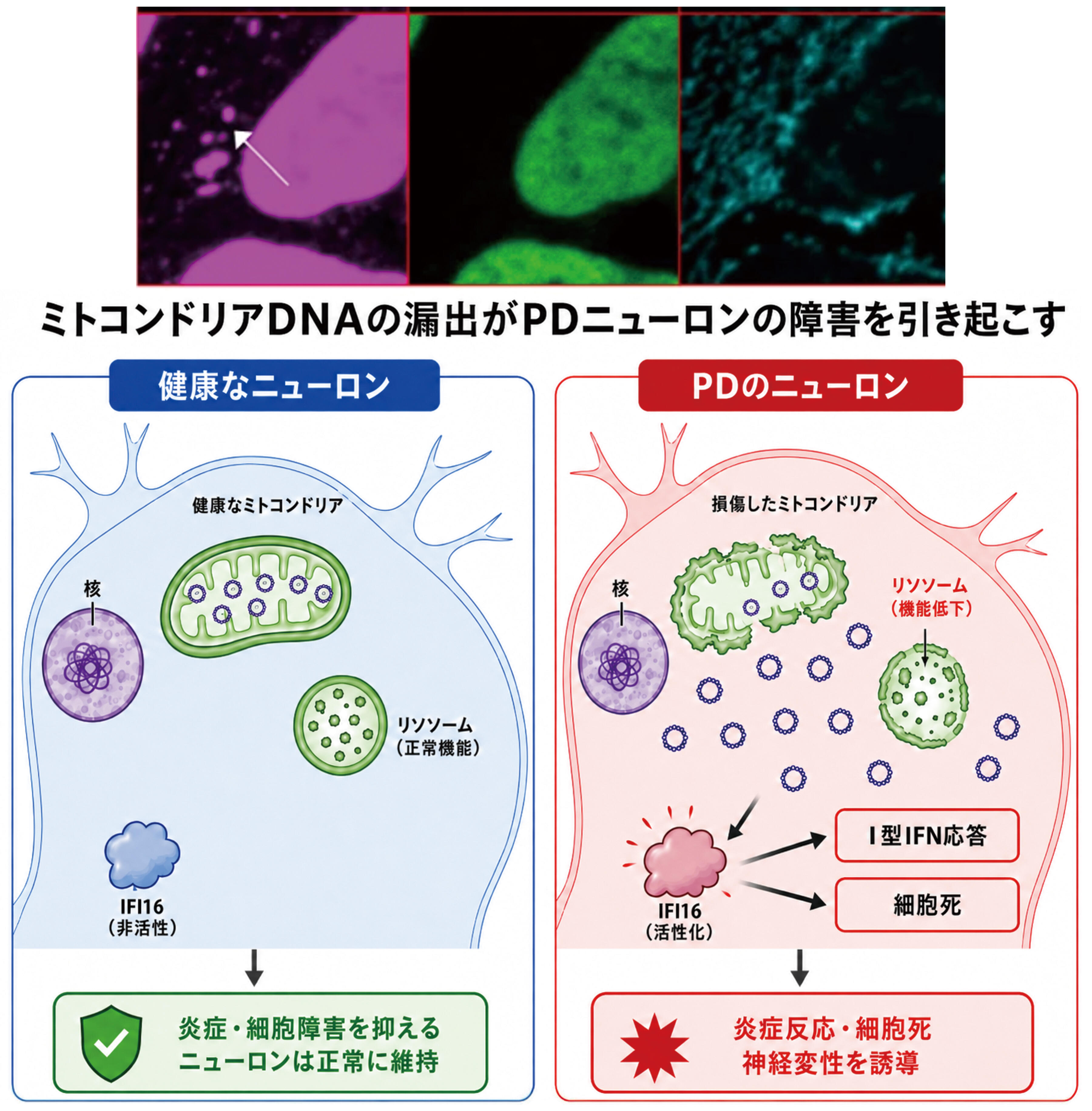
Brain diseases such as Parkinson's and Alzheimer's, and disabilities such as autism and ADHD, cannot be met by surface-level understanding alone. We bring two engines to bear―our own approach to disease pathology and the perspective of evolution―to reveal their true nature. Having reshaped its circuits and genes on the road to becoming human, the brain is evolving still. This "power to change" is evolution itself, yet under the wrong trigger or environment it can tip into disease or disability.
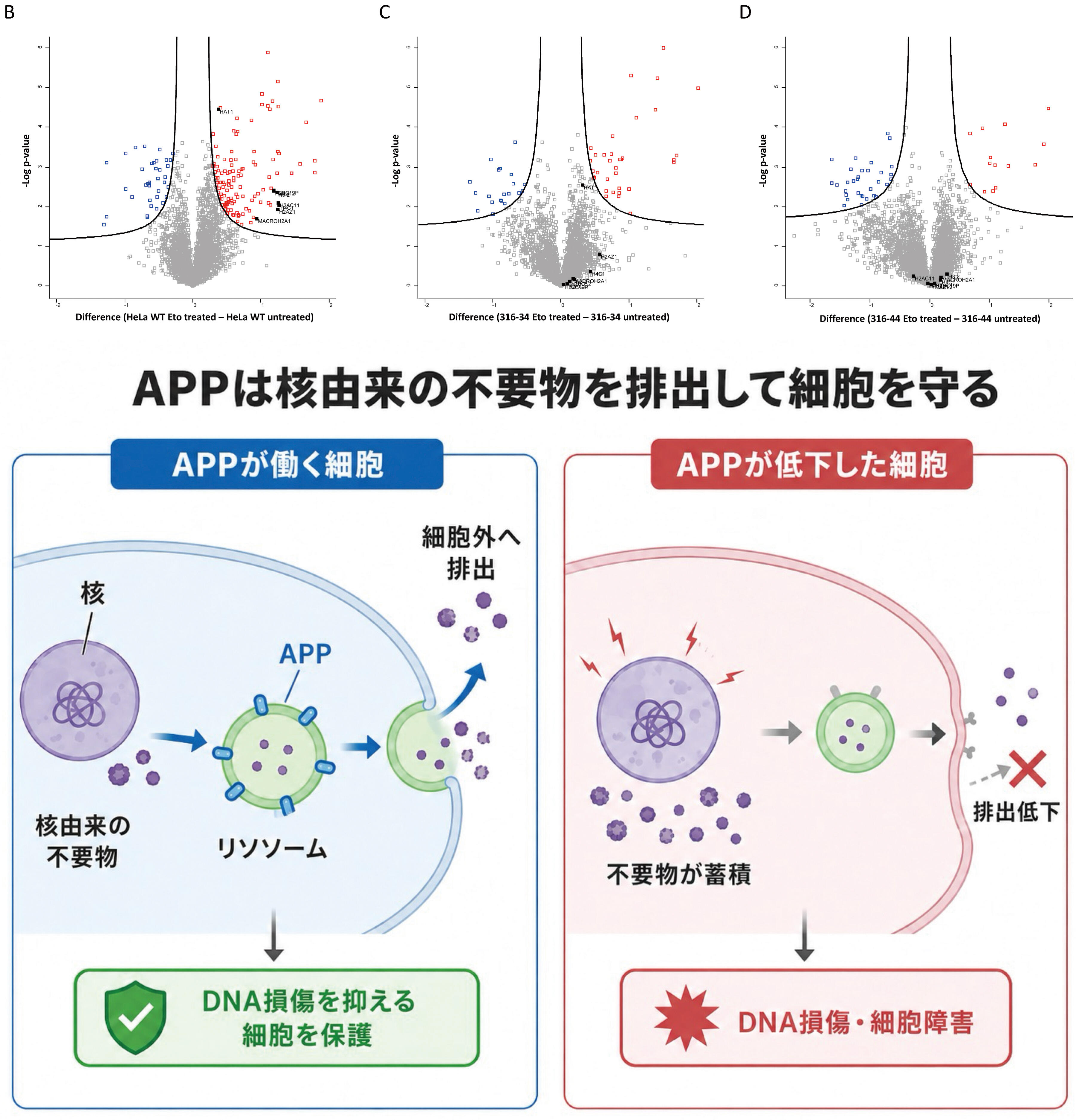
We have built this conviction on hard evidence. α-synuclein, the molecule that drives Parkinson's disease, first emerged in fish, and the African killifish develops Parkinson's-like pathology through aging alone. The amyloid precursor protein (APP) behind Alzheimer's is conserved from nematodes to humans, and we are among the first in the world to reveal what it normally does―and how its failure gives rise to disease. We probe the diversity of neurodevelopment, too, including fish models of autism, through the lens of evolution.
By uniting cutting-edge neuropathology with evolutionary biology, the human brain resources of our institute, and―alongside AI for Science―the hands-on methods that AI cannot replace, we trace brain disease back to its origins. Through three aims―(1) conquering intractable disease, (2) supporting one another across disabilities, and (3) leaving our mark on the history of science―we aim to conquer disease while living alongside disability, building a "co-evolutionary" society that thrives on diversity.