Why do brain diseases arise?

Evolutionary origins, and a fundamental view of pathology grounded in what disease molecules normally do. We combine cells, fishes and mice, evolutionary methods, the BRI brain bank, and research techniques that AI will not replace in the next twenty to fifty years, to take on brain disease and aging.

Make the next discovery your research.

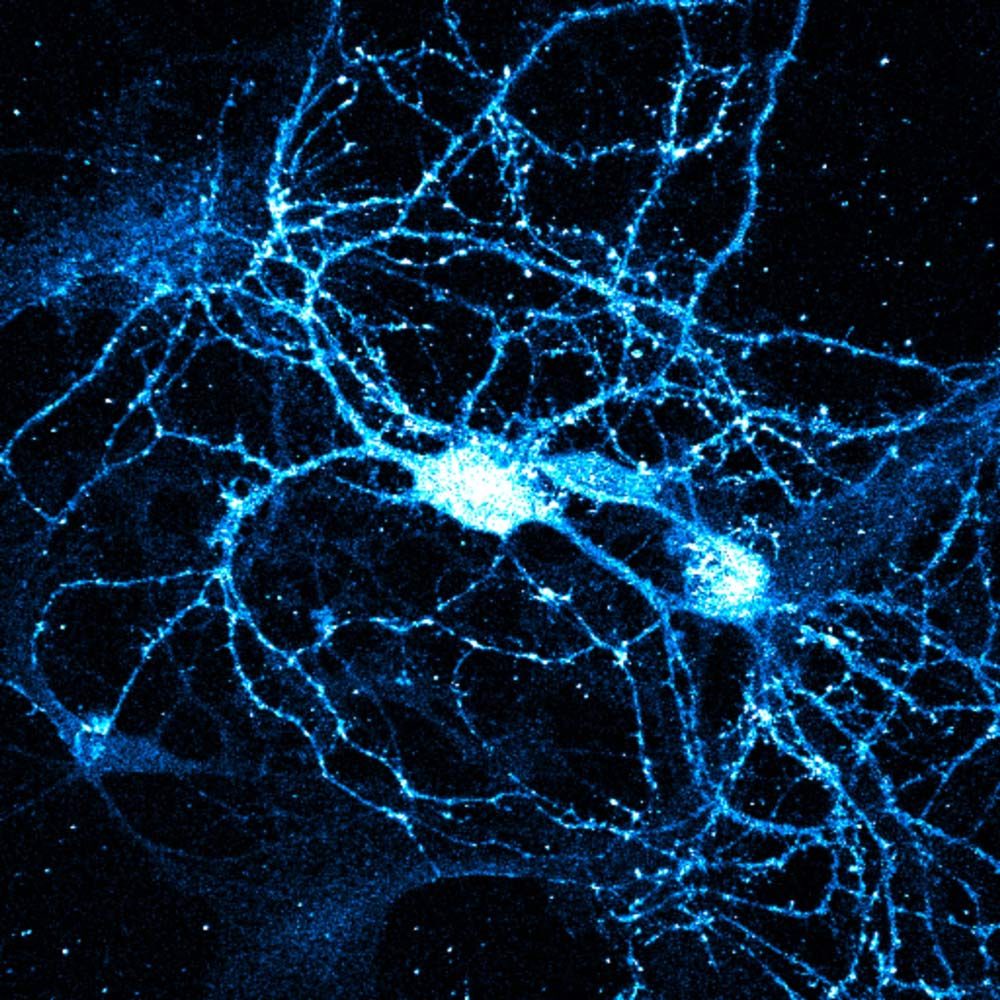
Fluorescence micrograph of neurons in blue
Microscopy. Fluorescent neurons.
Cell-culture work at a biosafety cabinet
Laboratory work. Cell culture at a biosafety cabinet.
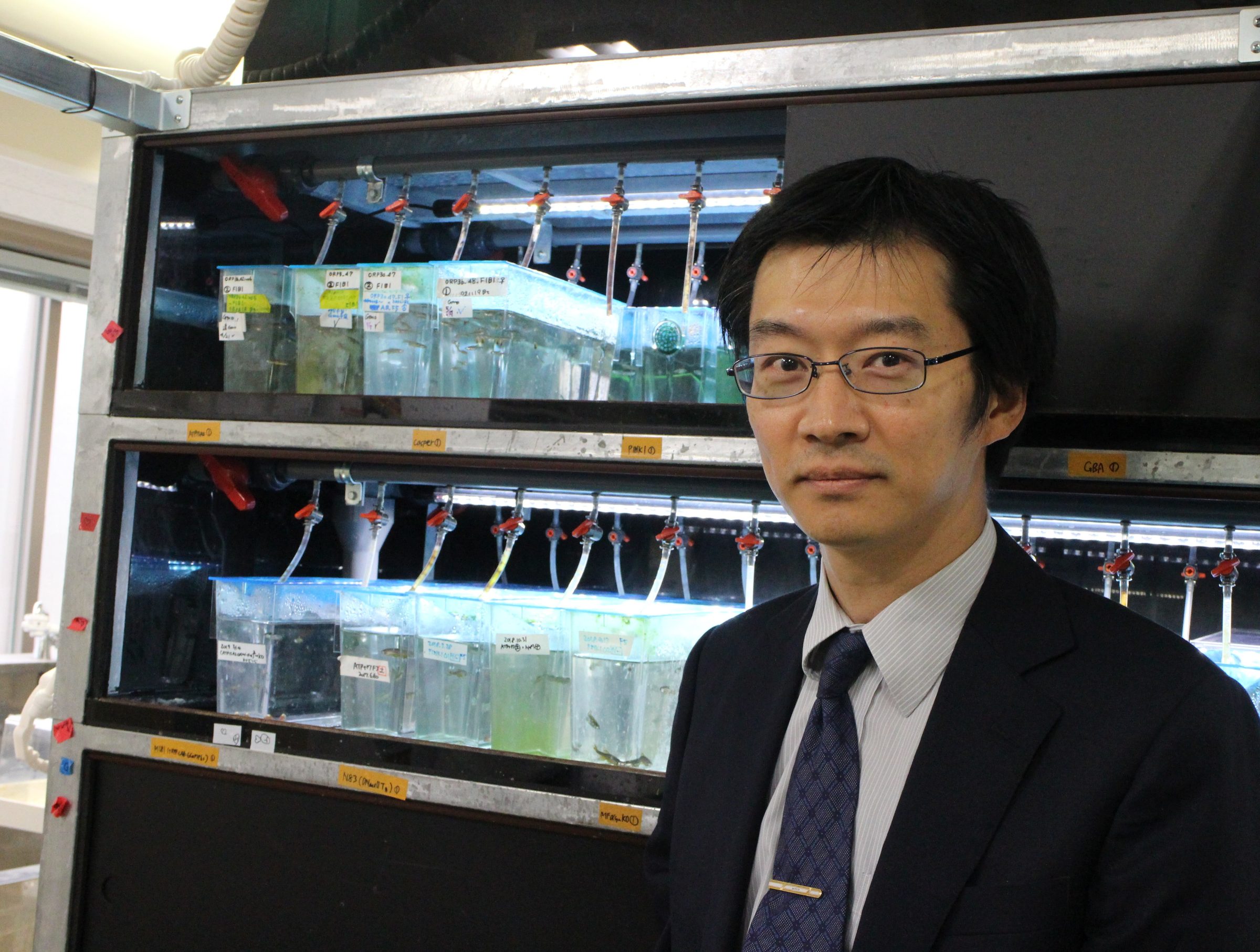
Members of the Department of Neuroscience of Disease
Laboratory group photograph.
Recording of cerebellar circuit activity during swimming
Neural recording. Cerebellar circuit.

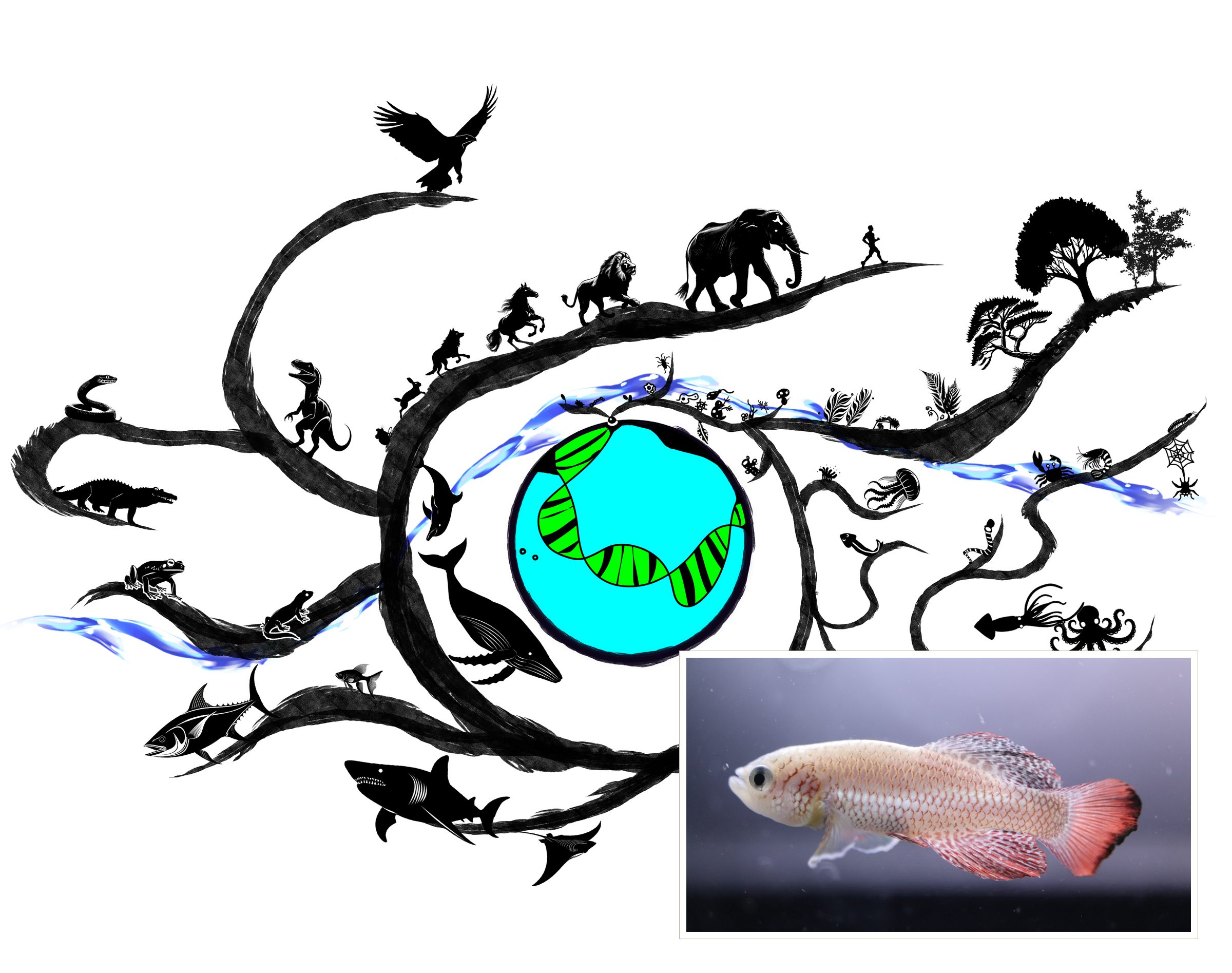
While neurological diseases may seem complex and unique to humans, various animals also naturally develop similar brain diseases during aging. For example, our laboratory has discovered that the African killifish exhibits symptoms very similar to Parkinson’s disease during aging. This has provided us with many new insights into the pathophysiology of human brain diseases. Dementia in various animals is also occasionally reported in news and scientific papers. Furthermore, alpha-synuclein, the molecule responsible for Parkinson’s disease, first appeared in fish, and amyloid precursor protein, the molecule responsible for Alzheimer’s disease, exists in fish and insects through evolution.

Questions to take forward.

Neurodegeneration

Question What physiological roles do the molecules implicated in brain disease play inside the cell?

What we want to ask next The molecules behind brain disease are there to protect cells in the first place. So why do they stop protecting?

Aging

Question Where does aging end and disease begin?

What we want to ask next Can we stop disease without stopping aging? And why do we age at all?

Neurodevelopmental disorders

Question How do genes and environment shape neuropsychiatric developmental disorders?

What we want to ask next Long seen as a motor centre, how does the cerebellum take part in sociability and the mind? And what makes a better society?

Evolution

Question What are the evolutionary origins of brain disease, developmental disorders, or aging?

What we want to ask next Why has life kept disease-causing molecules for hundreds of millions of years? And why have disabilities persisted to this day?

Discuss research opportunities

Projects develop through discussion, starting from the lab’s research strengths and your interests and experience. We value researchers who learn from their results, refine the question and help shape the direction of their work.

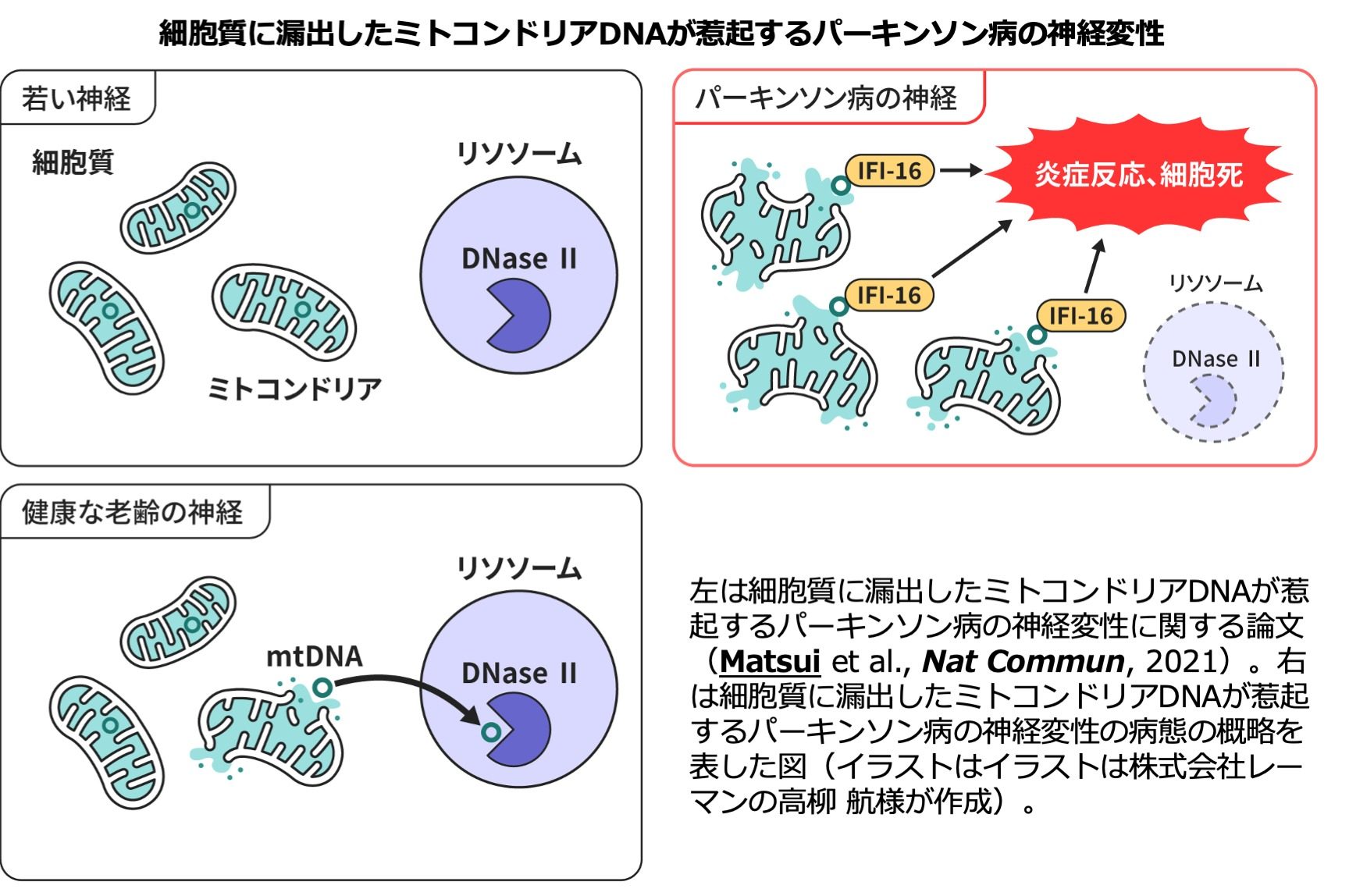
Diagram of cytosolic mtDNA, lysosomes and IFI16

Cytosolic mitochondrial DNA drives neurodegeneration

In Parkinson's models, mtDNA leaks to the cytosol and, via IFI16, causes cell death and neuronal loss.

Cytosolic leakage of mitochondrial DNA may be an important cause of neurodegeneration in Parkinson’s disease.

Matsui et al., Nat. Commun., 2021 · Press release

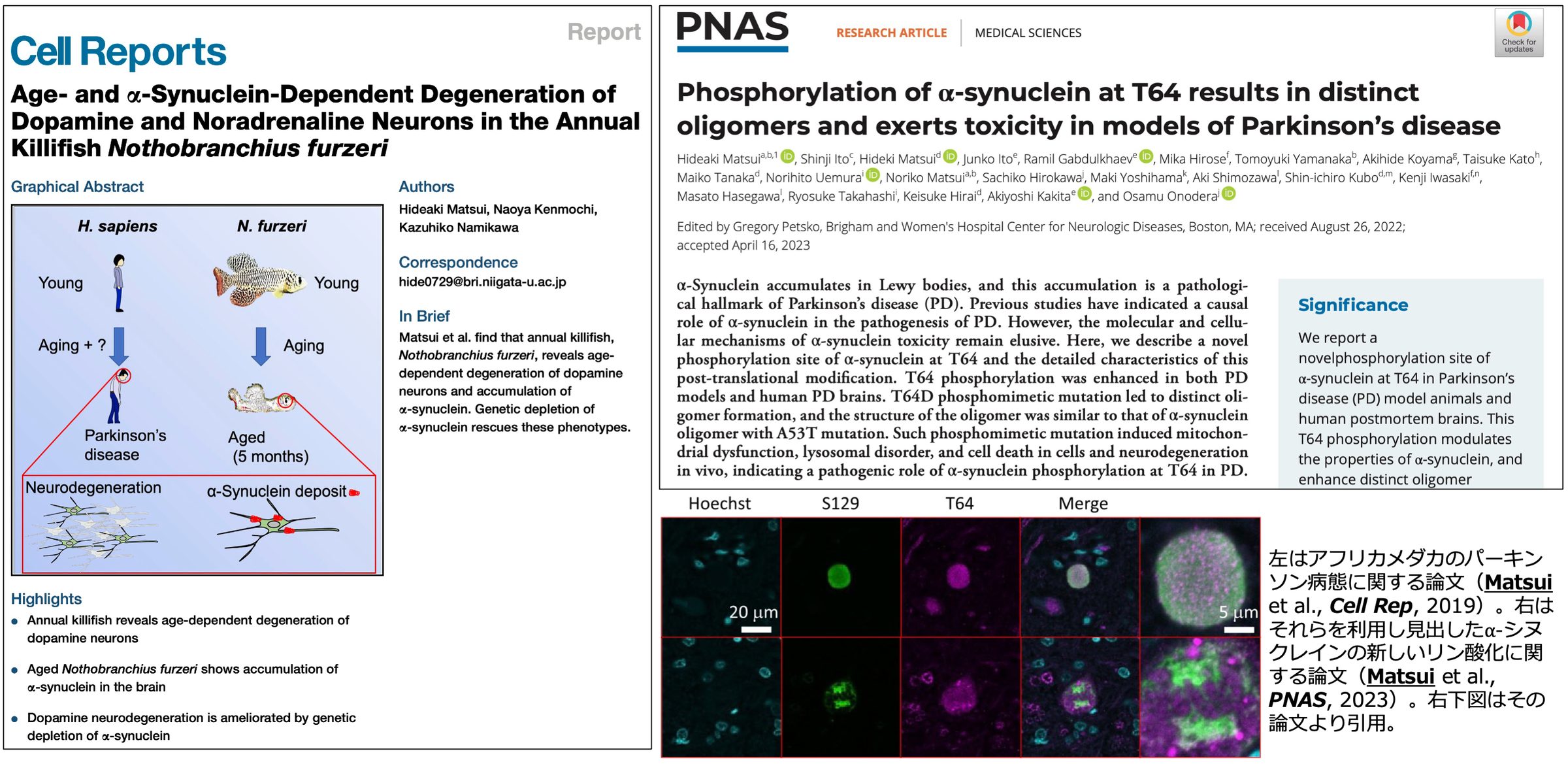
Journal pages of Matsui et al., Cell Rep. 2019 and PNAS 2023, with killifish aging figures

A fish that develops Parkinson-like pathology by aging alone

The turquoise killifish shows dopaminergic degeneration and α-synuclein accumulation with age. T64 phosphorylation is toxic.

Age-dependent, mostly sporadic-like disease in a short-lived vertebrate.

Matsui et al., Cell Rep., 2019; PNAS, 2023 · Press release

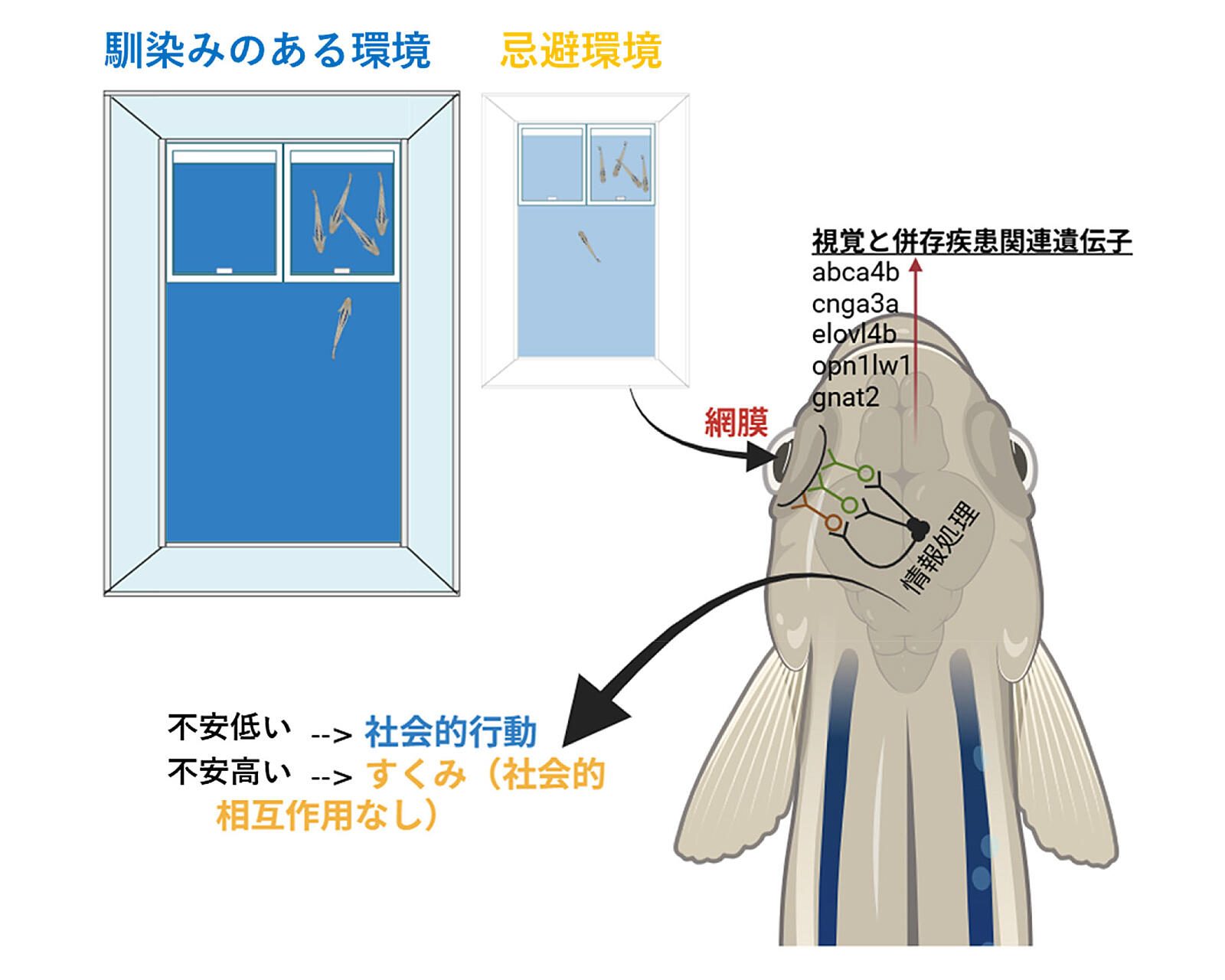
BRI press-release schematic. Familiar versus aversive environments, retinal processing and sociability.

Same gene mutation, different social behaviour depending on the environment

From ube3a mutant zebrafish

ube3a mutant zebrafish lose social approach in a novel anxious tank and recover in a familiar one.

ASD-like social change exists in fish and is shaped by sensation and context.

Dougnon and Matsui, Mol. Psychiatry, 2025 · Press release

Research and next steps from early-career scientists

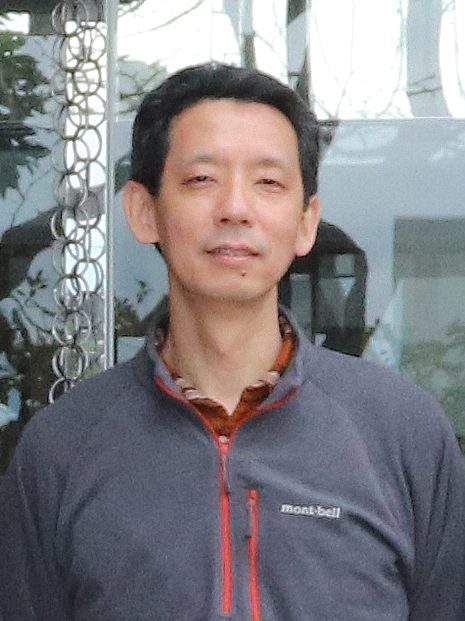
Early-career faculty | Joined as Assistant Professor in 2022; Associate Professor from 2026

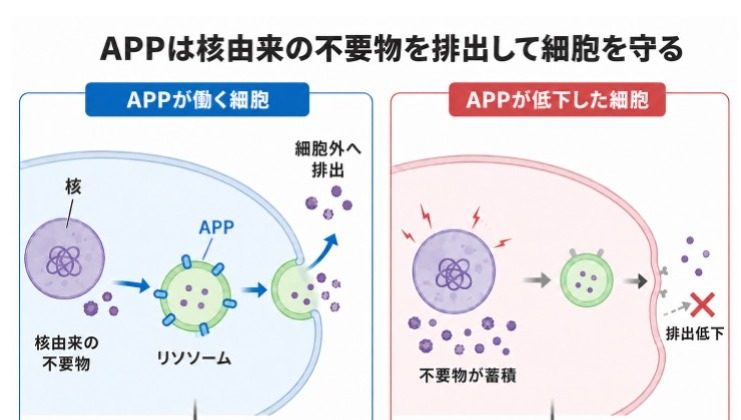
Environment and social behaviour, and what APP normally does

The question How does the environment change sociability? And what does APP normally do in neurons?

What they did He showed that sociability in ube3a mutant zebrafish changes with the environment. He was also first author of the laboratory’s paper showing that APP protects cells by discharging nuclear-derived waste.

What followed He was promoted to Associate Professor in September 2026.

First-author papers: Mol. Psychiatry 2025 · PNAS 2026

Godfried Dougnon

Graduate student (PhD program)

A project he built himself became his thesis. Next, research in the United States.

The question How do intracellular trafficking and quality control relate to neurodegeneration?

What they did When his first project did not go well, he designed a different project himself. He showed that phosphorylation of optineurin by TBK1 drives Golgi fragmentation, and made this his doctoral thesis.

What followed He completed his Ph.D. in September 2026 and is starting a postdoc at Johns Hopkins University (Dr. Sawa).

First-author papers: Biochem. Biophys. Res. Commun. 2025

Md. Nazmul Islam · News

Doctoral theses by clinicians

  • Kazuki Kodera Pediatrician. Showed that GPATCH4 contributes to nucleolus morphology and that its dysfunction impairs cell viability. First-author paper: Biochem. Biophys. Res. Commun. 2024
  • Hiromi Nyuzuki Pediatrician. Showed dopaminergic neurodegeneration and impaired intracellular trafficking in Atp13a2-deficient zebrafish. Now Assistant Professor, Clinical Genomics Center, Niigata University. First-author paper: IBRO Rep. 2020

Research here

Research experience or a finished research plan is not required. What we ask is the ability to understand the purpose of what you are taught, to examine results critically, and to work out for yourself what to investigate next. Lab visits are welcome.

Undergraduate backgrounds of lab members (24; current undergraduates by their faculty)
  • Science (biology, physics, etc.)9
  • Medicine9
  • Pharmacy2
  • Veterinary medicine2
  • Dentistry1
  • Health sciences1

Graduate study & lab visits For postdocs

Research areas

Fluorescence micrograph of neurons in blue

Neurodegeneration

Nuclear-derived waste and mtDNA leakage. APP, α-synuclein, lysosomes. We study neurodegenerative diseases including Alzheimer’s disease, Parkinson’s disease and ALS.

Phylogenetic-tree illustration with a turquoise killifish

Aging and evolution

Age-related disease in the turquoise killifish. Alpha-synuclein first appeared in fish; amyloid precursor protein exists in fish and insects.

BRI press-release schematic. Familiar versus aversive environments, retinal processing and sociability.

Neurodevelopmental disorders

Autism, ADHD and related neurodevelopmental conditions. UBE3A, environment-dependent sociability, and cerebellar maps.

How the three areas connect: research overview

What we work toward

Overcome intractable diseases

By elucidating the essence of neurological diseases, research outcomes will be developed into industry-academia collaboration, drug discovery, and preventive medicine, contributing to treatment and healthy longevity.

Support individuals with disabilities

We actively propose ways to coexist with disabilities and aging that we must live with.

Leave a mark in the history of science

Carry an idea through to a paper. Solve diseases thought incurable. Rewrite the textbook.

People and the research setting

See all members · Laboratory facilities

Other recent papers

  1. Ayman, U., Otsuka, T., Dougnon, G., Matsui, H.* Crosstalk between ApoE-expressing cells and genotoxic stress in the mouse brain Brain Res. , 2026 doi:10.1016/j.brainres.2025.150080
  2. Otsuka, T., Matsui, H. Loss of tissue-state plasticity: a conceptual framework for age-associated regenerative failure Inflamm. Regener. , 2026 doi:10.1186/s41232-026-00435-3
  3. Hishida, R., Otsuka, T., Toyokuni, S., Matsui, H.* Structural and metabolic signatures of cardiac aging in African turquoise killifish (Nothobranchius furzeri) Histol. Histopathol. , 2026 doi:10.14670/HH-25-143

All publications

Latest news

All news